StatCounter

Showing posts with label Cheese. Show all posts

Sunday, November 2, 2025

Petite Boo by Marin Cheese Co

Even though Halloween has come and gone, it's still the spooky season, at least for those of us who like to extend the macabre festivities until the end of December and beyond. That's why I was thrilled to see that Whole Foods still had some seasonal Petite Boo cheese by Marin Cheese Co. in stock after Oct 31st. 

Petite Boo cheese is seasonal

Recently, I reviewed Marin's Petite Breakfast cheese, a versatile naked Brie that's considered a morning staple in many homes. My reaction to Petite Boo was far more animated than when I tried the Petite Breakfast Brie. How could I not be excited to try a spooky-looking triple cream Brie disguised as a ghost with an orange interior? It's so stinkin' cute...but still kind of scary looking! I was smiling from the moment I saw it and couldn't wait to dig in and taste this little round. 


Petite Boo is 4 oz of fun and flavor

As adorable as this holiday-themed cheese is, the taste is grown-up and sophisticated. The outer bloomy rind has smudges of smoky vegetable ash that deepen the overall flavors. Though it's milky and mild and smells like traditional Brie, earthy and buttery, it's zestier with deeper mushroom notes. It's tangy with just a hint of funk without any real bitterness, even when it's a smidge past its prime. When the British say a particular food is "moreish" that's the perfect word to describe this petit trésor. It is good!

Petite Boo's texture is InCreDiBlE. Holy cow's milk. The paste inside the soft, bloomy rind is oozy and smooth, velvety and absolutely lovely. The orange comes from natural annato, which enhances the very slight spicy notes. It's the type of cheese that makes a person close his eyes and sink fully into the experience. 


The vibrant orange interior is a wonderful contrast to the white exterior.

Because the flavor is so mild, Petite Boo pairs with almost anything. Serve it hot or cool, though with a silky smooth texture like the one it has, it deserves at least one bite unheated. The Marin Cheese Company has a fantastic Instagram account on which they offer excellent recipes and cheese pairing ideas.  I love their suggestion to dress up Petite Boo in a puff pastry mummy's costume for the fall season. 

Serve Petite Boo on a festive fall cheese plate with sliced green apples, red grapes, mixed marinated olives, candied pecans, proscutto or smoked salmon, apricot jam, pretzels, dark chocolate squares, and sliced crusty baguette rounds. Its orange interior will grab everyone's attention. This is a cheese that can easily pair well with savory or sweet foods. It's as good with fresh berries as it is with cured meats. You can serve it on burgers, sandwiches, in salads, or on its own. It's that good. And it can be baked in tarts, with potatoes, or in noodle dishes. 

When it comes to beverages, try Petite Boo with a Stout, Belgian Ale, or Saison. Good wine pairings include Chardonnay, Sangiovese, Zinfandel, Grenache, Pinot Noir, Cava, or Sauternes. 


In the fall, a Stout goes well with Petite Boo 

Tuesday, October 21, 2025

Tete De Moine - Rosettes by Emmi USA

Tete de Moine has a long history. Actually, that's an understatement. The formation of this cheese dates so far back, it's hard to imagine, all the way back to a time when Washington was president in the United States and the French Revolution was raging away. But the first rumblings of this cheese date back even further, back to a time when Richard I, the start of a trio of king Richards, held power in England, and America had not yet been settled by disgruntled Englanders. During this time, both in the late 1700s and well before, cheese was often used in trade for those within the monastery where the product was first made. In Switzerland, this particular type of cheese was often used as payment, and many farmers used it to pay landowners their rent.

Tete de Moine = monk's head?

Similar to other AOP (Appellation d'Origine Protégée) cheeses such as Roquefort, Blue D'Auvergne, and Cantal, Tete de Moine is certified, thus ensuring that it's made in a particular location -- in this case, the Jura Mountains -- using traditional methods. 

The rules for certification for Tete de Moine include using milk from cows that feed only on the fodder based at the farm where the cows are being raised or from nearby pastures where the milk is collected. 

Once a month, cheese inspectors congregate in the dairies' cellars. These fortunate individuals have a chance to look at, poke, and then sample some of the aging rounds of Tete de Moine so that they can make sure the naturally occurring holes aren't too big and that the rounds look good as they sit and age on their spruce shelves. They inspect the cheese to determine whether or not it’s the correct color and make sure it tastes and smells delicious. If a cheese fails the test, it can't be sold under the AOP title, and everyone ridicules and shuns the cheesemaker...or so I assume.

I've been meaning to try this cheese for a long time. Given the choice between a stinking bishop and a monk's head, it was difficult to make a decision, but since I had very recently reviewed a wash rind variety, I opted for the less odorous alpine-style cheese, Tete De Moine. 

Once I had committed to sampling this cheese, I wondered if I needed to buy a whole wheel with the accompanying girolle for scraping cold layers into pretty rosettes or if there were a way to avoid buying a tool I knew I'd rarely use. Leave it to Whole Foods -- where they take the concept of convenience store to a whole new level and offer peeled oranges, pre-washed and sorted lettuce, and pre-cut vegetables for your stir-fries -- to carry already formed medallions. 

Pre-made rosettes

There isn’t a law around having to use a girolle in order to enjoy Tete de Moine, however, in the early 1980s, this tool revolutionized how the cheese was served. Before the girolle, a sharp knife was the tool of choice, and forming the thin cheese rosettes took a lot of time and great skill. Now, thanks to Emmi USA, anyone can purchase the pre-scraped rosettes, so you don't need a fancy, rather expensive tool and need not worry about cutting your fingers with the fine blade of a knife. 

The idea behind either slicing cheese very thin or forming rosettes is to increase the surface area of the cheese. This increase in surface area means more molecules are in contact with your taste buds, and more of the aroma from the cheese is released, both of which enhance the overall flavor. 

A girolle is used to make rosettes

Emmie USA in Wisconsin has won quite a few world cheese medals for their local and imported varieties, including silver in 2019 for Tete de Moine AOP. That same year, they won an incredible 12 awards for various cheeses. 

There's no doubt that Tete de Moine rosettes are beautiful, really a work of art. This semi-hard specialty cheese is made with part-skim cow’s milk and uses traditional animal rennet. The aroma is sharp and a little sour. Imagine belly button lint having a pleasant smell, and that would be a good description. The petals are velvety and soft on the tongue, but the cheese can be chewed like any other. 


The rosettes of cheese are really beautiful

While there are obvious sharp notes that mimic those in Parmesan and cheddar (but it still has its own unique taste,) it’s surprisingly mild. Despite being aged for at least 60 days after it gets a nice saltwater bath, Tete de Moine lacks an overly strong earthy or nutty flavor, but those undertones are there. It’s less complex and not as bold as something like Pleasant Ridge Reserve, but it’s no shrinking violet either. It’s more sharp than robust with just a hint of sweetness. Heated, the nutty flavor is less timid, and boy is this cheese flavorful when it's warm. Even though the rosettes are beautiful, I prefer this cheese served melted or baked. 

Tete de Moine pairs extremely well with rye crackers, roasted potatoes, baked spaghetti squash with tomato sauce, crisp green apples, or cured meats. The rosettes look pretty and add flavor to green salads with vinaigrette dressing, and this cheese is exceptional when it's baked in savory tarts as an appetizer. Because the rosettes are eye-catching, they look wonderful on a cheese board next to red grapes, toasted walnuts, fresh figs, and baguette slices. For a real indulgence, try a rosette on a slice of toasted baguette with a thin square of high-quality dark chocolate. 

For beverages, Tete de Moine pairs well with Gruner Veltliner, Sauvignon Blanc, Gamay, Sangiovese, Blanc de Blanc Champagne, or a tawny port. A dry cider, Belgian ale, or pale ale would also be a good accompaniment. 

Try Tete de Moine with Gruner Veltliner


Bruce wasn't sure but gave this cheese a rub. I think that means he approves.

Thursday, October 9, 2025

Hooper, You Elegant Little Stinker

What a beautiful cheese this is.

It has been a while since I've splurged and purchased extravagant cheese online. When I'm buying cheese to sample for this blog or in general, I try to keep my spending limit under a certain amount, which isn't easy when my eye is automatically drawn to the more expensive varieties. After my last escapade, though, I felt I deserved a special treat. 

I've sampled cheese from Vermont Creamery before and haven't ever been disappointed, quite the opposite, in fact. The award-winning company produces some of the finest cheeses in the world, and that's not an exaggeration. 

Since I've already gone a little bit into the history of Vermont Creamery in past posts, I’ll just add that the cheese and other products the company produces aren’t the only extraordinary aspects of this operation. The founders and everyone involved do an incredible job of promoting sustainability while focusing on producing extraordinary products. In sharp contrast to Kraft Foods, Vermont Creamery is certified as a B Corp, which means the company meets the highest standards when it comes to social and environmental performance, public transparency, and legal accountability. It does good things.

Hooper is a cute shape


When I first saw an image of Hooper, there was no way I could resist it. It was exactly what I was looking for in a cheese to review. It checked all the boxes by 1. Being something I had never seen or heard of before. 2. having an appealing shape. It looks like a prim little doughnut. And 3. It's a wash-rind variety. Swoon! Sure, it was a little over my usual spending limit, but I had a good feeling this was going to be a grand adventure. After taking a deep breath and bravely pressing the purchase button, I waited impatiently for the package to arrive. 

And, boy, was this little stinker worth the price, the wait, and the effort it took to find. It is one of the best cheeses I have had in a very, very long time.

Hooper is named after Vermont Creamery's co-founder, Allison Hooper, who learned cheesemaking during a year abroad in France back in the 1980s. She and Bob Reese founded the company in 1984, and they have been producing wonderful dairy products ever since.

This lovely ring of cheese has a classic wash-rind, stinky aroma that’s not overpowering. It smells like a day at a well-maintained petting zoo, less pungent than some of its heavy-hitting relatives that have odors veering into unkempt barnyard territory. Hooper also looks pretty with wrinkly, snow-white, upright sides and the colors of a soft orange sunset sitting delicately on top. The wrinkly white exterior comes from the use of Geotrichum mold in the aging process. 

Hooper has a wonderfully textured exterior

As far as flavor, the cheese is perfectly balanced. It's somehow subtle but incredibly memorable, so much so that after the last bite disappeared, I found myself craving more, even days later. 

The combination of cow and goat milk with a dash of cream softens the sharpest notes and brings about an even taste that's intriguing and potent but not overwhelming. There's a beautiful tang with slightly sweet undertones. It's not overly nutty or earthy, though there are hints of both flavors. It's lighter than one would expect, smooth, velvety, and creamy with just the right amount of salt. Take one bite and let the flavors dance on your tongue. 

Under the slightly pliable rind sits a wonderful creamline that's oozy and smooth, and the inner section has a texture that's similar to fresh goat cheese, firmer and denser than the outermost layer. The overall mouthfeel is creamy, very creamy, though. 

Look at the lovely cream line 

There are layers to this cheese

It's an elevated wash-rind cheese that's sophisticated and beautiful, the Rolls-Royce of wash-rind cheeses. 

Pair this standout vegetarian product with a crusty French baguette or sourdough crackers. You can also place Hooper center stage on a cheese board along with dried apricots, fresh cherries, cornichons, Prosciutto or ham, and roasted pecans. Add slices of Hooper to green salads or tacos. It adds flavor to baked dishes, too, even though you’ll miss out on the beautiful texture in its natural state.

As far as beverages, try Hooper with Chardonnay, Rose, Sauvignon Blanc, Albarino, Gamay, Dolcetto D’Alba, or Chenin Blanc. If beer is more your style, go with a pale ale or Saison. Mostly, just enjoy this cheese. It can stand on its own just fine, but it's also versatile for a wash-rind variety and pairs well with more than you might expect. 


Serve Hooper with a crisp Rose

Monday, August 11, 2025

Godminster Vintage Bruton Beauty

A stone bridge in Somerset, England


Apologies for the long lapse in updating this blog. Between the price of fancy cheese reaching startling heights, close to those of 2022, and life coming at me fast, I let my writing and, but for some mass-produced slices, my cheese consumption slide. 

It always takes an outside spark, a different and unique item, something intriguing catching my eye, to generate renewed interest and make me realize how much I miss reviewing cheese. A good and lively conversation with a kind cheese monger doesn’t hurt, either. What captured my attention this time was a cute little puck of English cheddar wrapped in purple wax and topped with an amusing label. Who could resist?

Bruton Beauty sits among other cheeses at Whole Foods


Godminster Vintage Bruton Beauty hails from Somerset, a picturesque county in South West England, complete with stunning castles, rolling hills, and beautiful cottages. Godminster was founded by Richard Hollingbery in 1999 and has been creating award-winning organic cheeses ever since. While the company employs traditional cheese-making techniques with some recipes dating back 90 years, its focus is on adopting sustainable practices by sourcing milk from nearby British farms

When I say that Godminster is concerned about sustainability, that’s putting it mildly. In fact, the company won the Boom award for best organic farm in 2021. Godminster has planted more than 25,000 broadleaf trees on its farm since its inception. According to the website, this has led to:
a visible increase in the wildlife population.  There are now 15 ponds encouraging bio-diversity and reeds that cleanse the ground water.”

Don't miss out on the cute video on their homepage.
Irresistible label
       
The label is adorable


The company's claim about this particular cheddar is the following: 

"A mysterious, rarely spotted creature, the Bruton Beauty lives out of sight on the Godminster farm, and brings the gift of good luck to all those she passes. Our original cheddar and a firm favourite, the Vintage Bruton Beauty’s signature smoothness puts it firmly at the heart of the cheeseboard."

Right away, it's hard to resist the urge to dig into the Bruton Beauty round with a spoon, which probably wouldn't work very well on this semi-hard cheddar. Once the pretty, ivory-yellow cheese is exposed by removing the outer wax, though, temptation hits hard. It takes some restraint not to dig right in. The aroma conjures up images of a warm spring day -- bright sunshine, sweet hay, and flowers, however, the most potent scent is of butter, lovely, creamy butter. One big sniff makes the salivary glands spring into action.

Bruton Beauty is wrapped in purple wax

Bruton Beauty has a beautiful interior


If you're like me and can't hold back or wait to grab some crackers or bread and just have to sink your teeth into the inviting, firm but pliable and slightly sticky paste, go right ahead. The flavor stands just fine on its own. Don't you love it when you can see a trail of teeth marks after you bite into something? Mmmm

Despite its richness, this is an aged cheddar that's hard to stop eating once you start. It's mild with sharper, tangy after-notes and a subtle nuttiness that's difficult to describe. The first bite comes off as rather salty, but it's well-balanced overall. There’s a hint of fruitiness or sweetness that makes this product even more appealing. It’s buttery both in flavor and mouthfeel. 

At room temperature, the texture is gritty at first due to cheese crystals but quickly becomes creamy, oh so very creamy and soft on the tongue. It melts in the mouth. Oddly, when it's heated, the Bruton Beauty releases a sharper flavor. Its texture is more oily than dry, but it seems to have the urge to crumble without the ability to do so. Still, it would work well cut into small bits and sprinkled on a green salad


The Bruton Beauty is a very versatile cheese. It works well in baked dishes, and it’s fantastic melted on top of sautéed vegetables. While it is a vegetarian cheddar cheese, it also pairs well with Italian cold cuts and is a great addition to a burger. Its round shape makes slicing for this purpose ideal. Of course, this cheese would look fantastic on a cheese board with spring fruits, roasted almonds, black olives, and a sliced baguette on the side. 


As far as beverages, this cheese pairs well with Pinot Blanc, Friulano, Zinfandel, a Syrah blend, or a tawny port. If you're more a beer fan, try the Bruton Beauty with a pilsner or a session IPA.

Bruton Beauty pairs well with a Zinfandel 

Sunday, June 4, 2023

BellaVitano Cheese Review

It looks like time has slipped away once again, and I've neglected my cheese review duties. Without further delay, I will jump right into the commentary. 

BellaVitano Cheese is one that I've been meaning to write about for a very long time. My introduction to this cheese was several years ago. It comes in many flavors, each with a distinct taste, and each celebrated with an impressive array of awards. The different flavorings come from the ingredients added to the rind or in which the cheese is soaked, and these include Balsamic vinegar, Merlot wine, raspberry ale, espresso, black pepper, Tennessee whisky, plus a few others. After trying several options, my favorite so far is the Merlot enhancement. 

Plymouth, Wisconsin is the cheese capital of the world.


Made by the Satori Company located in Plymouth, Wisconsin, a pretty little city that sits along the Mullet River, this is a product that's best described as a traditional Italian farmstead cheese with a few minor differences. For instance, the cow's milk used in BellaVitano cheese is collected from local farmers instead of on the exact premises, and the milk is pasteurized not raw. Satori is a company with a large team of talented cheesemakers and is focused on creating award-winning products, but it's not a dairy or farm. However, the company works closely with farmers within 70 miles of the facility, so it's the next best option. In addition to supporting local family farms, the Satori company also promotes sustainability and education through its partnership with these farms.  

Shortly after the company began in 1939, its Italian founder, Paolo Sartori, invented and patented mixing and stretching machines that revolutionized the cheese-making process. Since then, the Satori company has consistently produced high-quality and great-tasting cheese, starting with Parmesan and eventually adding cheddar, Asiago, and BellaVitano to their vendibles. 

People describe the basic flavor of BellaVitano as Parmesan-like, and there are definite notes of this classic cheese, but the Sartori creation is more of an everyday or table cheese, not one that’s primarily used in cooking, though it makes for a nice addition to prepared dishes, too. It's not as crumbly as the one that hails from the provinces of Parma and Reggio Emilia. In fact, BellaVitano has a fairly creamy texture for a harder cheese. 

Like Parmesan, it has tangy and sharp notes, but it's not as salty or as intense as the Italian standout. The flavors overall are more subdued, but this cheese line has more of an umami taste and is richer, more luxuriant, and easier to eat than Parmesan. Some say it's more like a cross between Parmesan and a mild cheddar. Depending on the outer or soaking flavors, the nuttiness of the cheese is either more pronounced when the tanginess is tempered or harder to detect when the sharp notes shine.

Vegetarians can indulge because the BellaVitano line is made without animal rennet. Also, because it's aged well, the flavors are enhanced, and, regarding texture, wonderful tiny crunchy calcium lactate crystals are embedded within the meat of the cheese. It has a dry quality but is more moist and creamy with a smooth mouthfeel. If that sounds contradictory, think of how a wine is wet but can also be described as dry. It's a cheese that makes you smack your lips no matter what flavor option you choose!


BellaVitano with Merlot on the outside

Each BellaVitano flavor is distinct


The three flavors I have tried were all really wonderful in different ways, some more subtle than others, but all with distinct characteristics. None of them is overly sweet tasting, even the ones that have fruity accents.

Merlot- The wine flavor balances out the tanginess of the cheese. It's mellow with boozy, fruity wine notes. 
Balsamic - The Balsamic vinegar enhances the tanginess of the cheese. It's punchy and crisp with definite fruity and sour notes.
The cognac flavor was offered for a limited time. I don't know if it's still available or if it will be again, but it was lovely. The cognac elevates the flavor and adds a certain elegance and richness while taming the tanginess of the cheese. It's smooth and intriguing.   

The wine and food pairings depend on the unique toppings of each cheese. I think the Satori company did a beautiful job of creating appropriate wine and food pairings for each of its cheeses. You can follow this link to discover what foods and beverages pair well with BellaVitano cheese. I would just add that nobody should shy away from using these cheeses in baked dishes, on salads, or on the side of a hearty roasted root vegetable dish, especially when it comes to the Merlot flavor. This is a cheese that can stand up to less traditional pairings and, as nice as it is plain on crusty bread, it actually tastes great on a turkey sandwich or in a spinach and fresh pear salad. Don't be afraid to try it with chocolate and roasted nuts, either. When a cheese is developed that's outside of the box, go ahead and be daring with your pairings. 

Wednesday, March 16, 2022

Montealva


Montealva
Montealva Cheese


It's hard to believe that in all the years Cured on Pearl Street in Boulder has been open, I had never been inside until a snowy day in March 2022. Despite the bitter-cold weather and just a few minutes after opening time, the place was hopping. There were people in line, waiting for their morning coffee and others getting ready to order sandwiches or other goodies. Before I got too far inside, I got distracted by the wonderful selection of chocolates, jams, and pantry items. Everything is presented beautifully, but when I eventually looked ahead, the cheese counter in the corner called to me as if a celestial light were shining upon it. 

Cured
Cured sells some wonderful cheese


The cheese section is where a limited selection of semi-soft, semi-hard, and hard cheeses sit atop an elegant gray counter. Upon closer inspection, it was obvious that Cured carries a variety of unique and unusual cheese from all over the world, and the cheesemongers there can tell you everything you need to know about each. The professional to whom I spoke was very, very knowledgeable and friendly, always a plus. He knew not just what each cheese tastes like but interesting little details about where and how the cheeses are made and aged. Initially, I went in thinking I would buy a super fancy product that I spied on their website, but it was temporarily unavailable. I hope to review that one another time once it's back in stock. There are some wonderfully intriguing selections from which to choose, so, moving to plan B, I opted for an interesting goat milk variety from Spain. 


Payoya goats
Payoya goats in Andalusia, Spain


Montealva 

For over fifty years, the craft of cheesemaking has been shared throughout the Aguilar family in Southwest Spain. Using milk from a herd of over 450 Payoya goats -- a breed that almost went extinct but is, fortunately, still surviving in the beautiful but rugged Sierra de Cadiz region -- brother and sister, Pedro and Isabel, continue their family tradition as affineurs in the town of Torrecera, Jerez. There, they create an extraordinary award-winning cheese called Montealva. This beauty was first introduced to the United States about eight years ago and has become well recognized internationally for its lovely flavor and its beautiful cotton-white interior. 

Cheese Rind
Some rinds you can skip consuming


Inside the darker decorative rind -- rind pattern is an art form in and of itself, and the woven-grass pattern on Montealva is similar to that of Manchego -- that looks and smells (and tastes, though it's not recommended to go there with this type of rind!) like it has been rolled in dirt lies a supple paste that's bright and full of flavor. There is a strong barnyard smell that escapes the moment the wrapper is opened, but once the cheese is exposed to air, the musky, stinkier aroma dissipates. 

The flavor of this charming cheese is mild with more pronounced notes of citrus and a zingy tang that sneaks up on you without overwhelming your taste buds. Imagine a mild cheddar with a bit more spring in its step, one that makes you turn and take notice. The texture is creamy and smooth but slightly crumbly. Closer to the rind, the taste is more earthy, but the bulk of the interior is fruity, buttery, and sweet with just a hint of salt and nuttiness, a combination of flavors that some might call umami. The more it ages, the more the goaty flavor emerges.


Montealva Cheese
Montealva is a lovely, uplifting cheese
 

Keeping with the tradition of cheese made by their ancestors, the Aguilar family makes sure that Montealva remains all-natural and free from any artificial colors or preservatives. This semi-firm cheese made from pasteurized goat milk is aged two months and pairs beautifully with light toast, Spanish olives, apples, honey, marmalade, dried apricots, or fresh figs. It can be used on sandwiches to liven them up or added to baked pasta or tomato dishes. Try it in an arugula and pear salad with a creamy balsamic dressing or grated over scrambled eggs for an uplifting breakfast sure to wake you up and brighten your day. 

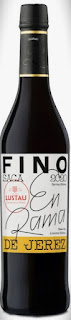
As far as beverages, this cheese almost demands a fino sherry but pairs nicely with a Spanish rose, Pinot Grigio, Sauvignon Blanc, sparkling Cava, or a fruity Syrah. If beer is more your pleasure, Saison is a good option, as is a wheat beer.

Fino
Fino sherry pairs well with Montealva


Tuesday, March 8, 2022

Cheese Board Ideas

When it comes to cheese, finding the exact number of different varieties around the world is nearly impossible. There are so many! New varieties continually emerge while others are discontinued. Some estimate that there are close to two thousand types of this dairy product, and when it comes to cheese, people have strong opinions about what kind is best. A favorite of one person might be unappealing to others. Not everyone is down with the sour notes of Pont L'Eveque or Petit Munster, for example. However, creating a lovely cheese board that has the potential to please even the fussiest cheese connoisseurs is easy when you follow some guidelines from professionals in the industry. 

A note about terminology. There are people today who use charcuterie board and cheese board interchangeably, when, in fact, they are not the same thing. Though it's now acceptable to use the former when referring to the latter, traditionally, "charcuterie board" -- charcuterie being the French term related to prepared and cured meat products -- was used specifically to describe serving trays that are meat forward. As one might expect, a cheese board puts cheese on center stage.

Both eating and presenting cheese to guests should be enjoyable activities. Whether it's a large or small board, much of the joy of creating a specific array comes from being thoughtful about the selections of both cheeses and accompaniments. Entertaining can provide a great opportunity to introduce others to your favorites, but 

keep in mind the tastes of your guests. If you don't know, don't assume. 

The prudent way to go about selecting cheese for guests is to opt for at least one that's a classic, something that nearly everyone is sure to like.

Cheese boards can be presented before or after a meal or as part of a buffet-style fare. Typically those served after the main dish are considered a replacement for dessert or a course served right before dessert. These are usually smaller with fewer options than a standard cheese platter.

Cheese board
Photo by Mgg Vitchakorn - Un petit gout de fromage


Before you run to the store and start buying items for your cheese board, look for inspiration either online or in books. If you really want to indulge, spend some time getting lost on the Cheese Sex Death website and follow Erika on social media. In her newly published gorgeous and informative book, Cheese Sex Death, A Bible for The Cheese Obsessed, she suggests in The Book of Plating chapter the following when considering how to go about putting it all together:


1. Curate an Array of Delicious Things: Look for a variety of textures, colors, and flavor profiles. 
 
2. Bring It All to Room Temp: As always, temper both Cheesus and Her accompaniments before serving. [As the fat in cheese starts to warm up in temperatures around 68 degrees, the flavors become more pronounced. The texture also changes and becomes creamier, but limit the time cheese stays at room temperature to four hours.]
 
3. Plate with Purpose: Arrange each body from mild to strong, place their favorite accompaniments nearby, and give everything its own utensil. 
 

4. Enjoy Yourself: Plating is an act of worship, so set aside enough time so you can enjoy the process and express yourself.


Cheese sex death
Book by Erika Kubick - Cheese Sex Death - A Bible for The Cheese Obsessed


Getting more into specifics, when Elizabeth Chubbuck of Murray's Cheese was featured on the Today Show in 2020, she also suggested going from "mild to wild" when assembling a cheese board. Most agree that a selection of three to five cheeses is optimal, depending on the crowd you plan to serve. 

Using Elizabeth's suggestions, start with a soft, mild cheese such as fresh chevre or fresh mozzarella. Next in line would be a semi-soft cheese like as Brie or Red Hawk, cheeses that are guaranteed to please almost everyone, followed by a semi-hard variety such as Lamb Chopper or a nice Gouda. Add in a hard, sharper cheese like raw milk Manchego or Cave Rebel, and that leaves one more selection left, a walk on the wild side. In this spot, anything goes, from a wonderful blue cheese to a truffle cheese to a stinky favorite. Don't be afraid to ask your local cheesemonger for advice or suggestions, and take the time to learn which cheeses are best for cooking or served heated, and which shine at room temperature.

While variety is encouraged, cheese selections can also be themed and more uniform. Some ideas for themed presentations include a board consisting of local cheeses, cheeses from a particular country, seasonal selections, or items that are associated with a particular holiday. No matter what cheeses you choose, it's nice for guests to know what they are consuming. Cheese board labels are a great addition to your display. 

Once you have selected your cheeses, look for complimentary accompaniments. Items to consider are sliced bread or crackers, dried or fresh fruit, pickled fruits or vegetables, cured meat or pate, nuts, chocolate, jams or honey, dips, and crudité. Be thoughtful about the arrangement and the flavors. Some pungent herbed or flavored breads and crackers might not be a good match for cheese. Citrus fruit can also be a challenge because of the strong acidity that can overpower more subtle cheese flavors. A way to get around this is to broil or grill fruit slices or use a marmalade instead. Most other fruits don't need much preparation and complement cheese well, enhancing certain notes while contrasting the savory profile with a sweet one. As much as the board should look pretty, it should also be balanced, and items such as fresh fruit should never be placed on dry ingredients like crackers or bread because the juices will cause either to become soggy. 

In order to prepare a successful cheese arrangement, start with the largest items first and then add the accompaniments and garnishes last. In her book mentioned above, Erika has excellent advice when it comes to presentation. Make sure meats and fruits are offered in manageable bites. You can roll sliced meat or fold the slices into triangles. There's also the option of being more creative with your display by making meat flowers. Finishing touches can include brûléeing the top of cheese, or adding herbs, nuts, edible flowers, or other toppings to accentuate the cheese. You can get really creative with this, and as Erika suggests, enjoy yourself. Creating and sharing a cheese board should be something that makes your heart sing. 


Sample Cheese Board with A Focus on Milder But Interesting Cheeses:


The Cheeses

Chavrie Plain Goat Cheese 

Hartwell 

Midnight Moon

Sparkenhoe Red Leicester

Epoisses 

Bread And Crackers

Sliced Baguette

Carrs Wheat Crackers

Water Wheels

Meats

Prosciutto 

Pate de Campagne

Accompaniments 

Cornichon

Marcona Almonds

Coconut Dark Bark

Balsamic Reduction

Strawberries

Dried apricots

Tart cherry spread

Serving Utensils

Small Spoons (Cherry Spread, Balsamic Reduction, Nuts)

Cheese Knife (Hartwell)

Spreading Knife (Soft Cheese, Pate, Epoisses)

Mini Tongs (Cornichon, Fruits)

Other Additions and Decorations

Brulee Blood Orange Slices 

Edible flowers

Beverages

Wine

Beer

Sparkling Water


Wednesday, March 2, 2022

Willoughby

Willoughby is an elegant wash rind cheese by Jasper Hill. The original recipe was created by Marisa Mauro, owner and operator of Ploughgate Creamery in Vermont, a company known now for its small-batch artisanal cultured butter. You can check out some of the unique butter flavors here. Shortly after a fire at the Ploughgate creamery in 2011 caused production of Willoughby to cease, Marisa accepted Jasper Hill's offer to continue to develop the recipe. The result is another gourmet winner.


Willoughby


Upon opening the Willoughby wrapper, the smell of barnyard immediately escapes. When anyone suggests that this is a "gateway" to wash rinds, I beg to differ. It's mild but not nearly as mild in aroma or flavor as something like Red Hawk, the true gateway cheese. The more robust scent and taste shouldn't scare cheese samplers away, though. It's a nicely balanced and wonderful little round. The flavor is not overwhelming and doesn't punch you in the face, but it has a bite to it. On the funk-o-meter scale with 10 being a cheese that smells like old socks left in a teen's gym locker far too long with a flavor that raises eyebrows and 1 being Red Hawk, this rates as a 3.5, not too potent and not too mild. 

Inside the slightly sandy light pink-orange rind that's washed with Montanaro Vermouth di Torino, is a soft, creamy paste that holds its shape when cut. The interior is incredibly smooth and melts in your mouth. It's really lovely, as are many cheeses from Jasper Hill. The company does an outstanding job of collaborating and working with local dairy farmers to create intriguing artisan cheeses, Harbison being one of my all-time favorites. Like many other wash-rind cheeses, the outer layer offers flavors that are earthy and stronger than what's inside. 


Nearly everywhere I looked, I saw descriptions copying those on the Jasper Hill website suggesting that Willoughby emits an aroma of roasted beef and onions and has notes of peaches. If I concentrate really hard and imagine myself in a peach orchard, I can sort of force myself to detect a hint of peach while nibbling on this cow milk product, as there are some hints of fruitiness, but, for the life of me, I don't get the smell or taste of roasted beef and onions anywhere. I just don't, nor did my cheese-tasting companion. Still, I like the creative description considering that the cheese is beefy in a way, only that's more in terms of texture. It has substance and character. 

What jumps out are notes of straw and butter followed by a sharp tang finish that hits the back of the mouth. The potent tang might mask more subtle flavors initially, however, the nutty notes reminiscent of raw hazelnuts (minus the bitterness of the skin) and fresh cream shine through in the end. A bit of saltiness enhances the cheese overall. I wouldn't say that Willoughby is overly complex, but it has nice layers of flavor. This is a cheese that will please nearly everyone. 

The plump little round that's made with traditional rennet goes well with pain de champagne, cured meats, stone fruits, cornichons, walnuts, and even crackers with honey. Heating mellows the stronger edge of the cheese and enhances the nutty flavors. Though it's not an ideal cooking cheese, it could be successfully used in a potato gratin or with other cheeses in a fancy mac and cheese. 

As far as pairing beverages with Willoughby, you can't go wrong with Gewurztraminer, Riesling, or Malbec. It pairs equally well with Blanc de Noir, Jurancon, Rose, Sangiovese, and Viognier. You can also try it with a scotch or red ale, cider, Calvados, or a good stout.