StatCounter

Showing posts with label bloomy rind. Show all posts

Wednesday, February 25, 2026

St. Albans - Complete with Ceramic Ramekin

I'm very much in love with Vermont Cremery's cheeses lately. Their selections aren't over-the-top or in-your-face, but they are well-made, excellent and dreamy. I'd make hearts around the company name on my notebook if I were still in school, and if that were still a thing.  đź’—


Since I recently reviewed several Vermont Creamery cheeses, I won't go into detail about the company again, except to remind readers that the founders have done an excellent job of creating award-winning cheeses and promoting sustainability. You can read more about them at the following link: Vermont Creamery

St. Albans is a curious little cow’s milk cheese that comes in its own ceramic ramekin. This is another one that I started to review long ago, but I kept drifting off into fits of pleasure while eating the cheese rather than sampling it for blog content. It's easy to do when the product is inviting and heavenly. Part of the reason I had to buy this one several times before writing what follows is because St. Albans is yummy and small, making it easy to get carried away. Before you know it, POOF, it's gone...again. Whoops. 

St Albans comes in a cute ramekin


The container St. Albans sits in prevents a bottom rind from forming. Also, the ramekin can be used to bake (or microwave) the cheese. The discs are so darn cute, too. Both the cheese itself and the ramekin are petite, just perfect for one. I kept the vessel and plan to use it again, possibly to bake some kind of mini snack. 

St Albans has a delicate white surface rind that's on the verge of wrinkly and could almost be described as lacy. It looks more like a light dusting of powdered sugar on a pastry than an actual rind; however, this surface adds a rich flavor to the overall product.


There is no bottom rind 


This delicate little bloomy-rind cheese is an American version of St. Marcellin, a beautiful cheese from the Rhone-Alps region in France. Despite St. Albans fragile appearance, it packs a flavor punch that's sure to please your taste buds. 

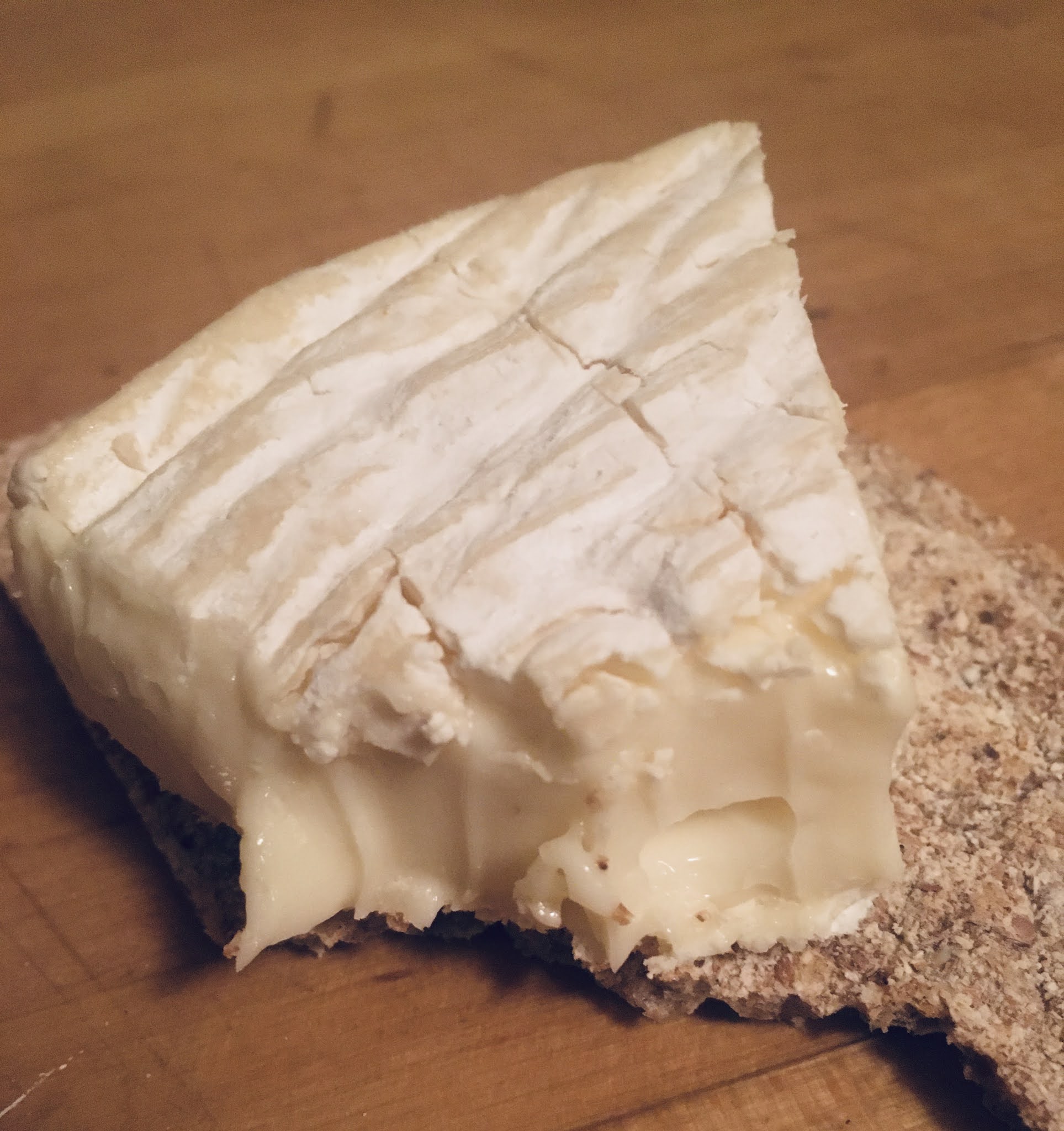
The most obvious characteristic of St. Albans is the fluffy, smooth texture. My goodness, is this cheese creamy. It's light and airy, almost like a soufflĂ© but smooth and without the egg texture, of course. It’s much gooier and oozes once it's cut open. The flavor can verge on sour but is light and tangy with just a hint of mushroom. 

It's so gooey...yum.


The ramekin provides a nice way to create savory dips. Bake the little pot in a hot oven for about 10 - 15 minutes and serve hot with roasted herbed potato sticks, lightly steamed asparagus, crusty bread, or crackers. Top the baked dish with jam, tomato compote, or apple butter. I actually preferred the flavor and texture of the unbaked cheese. It can be served at room temperature with red grapes, sourdough crackers and truffle honey, thin rye crisps, dried apricots, toasted walnuts, or saucisson sec. 

The cheese can also be added to hot dishes. Place a bit on pepper steak, or add some to a potato casserole. Though it’s an aged cheese, its light flavor pairs well with a variety of foods. I prefer it on crackers or bread, pure and unadulterated. Heck, it's so good you can simply spoon it straight into your mouth, no accompaniments needed. 

Melted or at room temperature, this cheese is great.

As for beverages, pair St. Alban’s with Chardonnay, Viognier, Pinot Gris, Amarone Della Valpolicella, a fun Champagne or Champagne cocktail, or a tawny port. If beer is more to your liking, try St. Albans with a Trappist beer, a golden ale, or a light lager. Mostly, though, enjoy. This is a cheese that should transport you to a lovely, warm hillside on a beautiful, spring day and make you forget, even for a moment, any strife in the world. 
Try Champagne or a Champagne cocktail with St. Albans - Original photo by Steve Daniel


Wednesday, November 19, 2025

Ashley, Lovely Ashley

I started this review about a year ago but fell into my typical pattern of eating and enjoying the cheese without concentrating on the elements that make up a good write-up. Sure, I jotted down a few details of what I was tasting, but it's easy to throw caution to the wind and dive fully into the pleasure of cheese consumption, neglecting my duties as a writer or wannabe writer, whatever the case may be. In any case, I promised myself I would come back to this review. I didn't think it would take me as long as it did. 

This time, I was determined to pay more attention and take some thorough notes as I ate, although I couldn't be too hard on myself for enjoying the previous samplings free from any obligations but those I place on my own shoulders, most of which don't relate to cheese. The reality is that some cheese can be so good at encouraging a temporary escape, it's hard to be in work mode or even thought mode while consuming it.

Ashley Cheese from MouCo in Fort Collins, Co.

Ashley is an award-winning, soft-ripened cow's milk cheese from MouCo, a family-owned company I mentioned not too long ago. This Colorado establishment is focused on producing quality dairy products, but it's also dedicated to sustainability and giving back to the community. Founders Robert Poland, with his cool rock-and-roll vibe that lingers from his past, and Barvaian-born Brigit Halbreiter, with her knowledge and interest in cheese-making that was ignited when she was a young girl, have kept their dedication to creating top-rated, soft-ripened cheeses in the foothills of the Rocky Mountains throughout the years.  

MouCo cheese has been served in some of the nation's top restaurants, but the soft-ripened cheese isn't just a hit here in the United States; people from all over the world appreciate a variety of their soft-ripened wheels, from Camembert to ColoRouge, and their cheese has even made an appearance at the UN!

After tasting MouCo's gentle wash-rind variety, ColoRouge, I didn't expect the flavor punch that Ashley delivers. The aroma is inviting, earthy and slightly sour with a light barnyard aura. Under the bloomy rind that's covered in vegetable ash lies a supple paste that's velvety and silky smooth on the tongue. 


Ashley has vegetable ash on the bloomy rind

Depending on the age of this cow's milk cheese, the flavor can range from sweet and mild with nutty undertones to deep and earthy with tangy, pungent high notes. No matter what the age, though, Ashley is never going to be outrageous and never gets overly deep. MouCo cheeses always fall into the milder category, even when the flavors are memorable and delicious. 

Ashley is nicely salted, well-balanced, and ends on a lingering ever-so-slight bitter note that's unexpected but pleasant, like the horn coming in toward the end of the Beta Band's Dry The Rain, a beautiful addition that starts as a question but ends up adding layers to the final product. When heated, the overall flavor becomes more woodsy and light without losing its depth. It’s complex without being complicated.

In short, this is a lovely cheese. It’s flavorful and intriguing without being overwhelming. 

Though it might seem counterintuitive because of the obvious saltiness (but not overly so) of Ashley, it pairs well with cornichons, olives, and Salami. It has a distinctive look, so it would be a great addition to a cheese board alongside sliced pears, green grapes, toasted walnuts, water crackers, Rustic Bakery Artisan Crisps, fig jam, and a light mousse pate. I substituted Ashley in a pasta and Brie dish and did not take the suggestion to remove the rind. The baked dish may not look as sophisticated that way, but, wow, is the resulting flavor excellent! Ashley pairs nicely with berries or other sweet fruits, but it can easily be part of savory dishes as well. One recipe suggested cutting the wheel into pieces and deep-frying them for an indulgent appetizer. 

When it comes to beverages, Ashley is best served with Chardonnay or Chenin Blanc. Try it with Gamay, a Syrah blend, or Zinfandel. If the menu calls for a dessert wine, Sauternes is a good option. A dry cider, wheat ale, sweet stout, or Calvados also goes well with Ashley. 

Chardonnay pairs well with Ashley. Original photo by Steve Buissinne


Sunday, November 2, 2025

Petite Boo by Marin Cheese Co

Even though Halloween has come and gone, it's still the spooky season, at least for those of us who like to extend the macabre festivities until the end of December and beyond. That's why I was thrilled to see that Whole Foods still had some seasonal Petite Boo cheese by Marin Cheese Co. in stock after Oct 31st. 

Petite Boo cheese is seasonal

Recently, I reviewed Marin's Petite Breakfast cheese, a versatile naked Brie that's considered a morning staple in many homes. My reaction to Petite Boo was far more animated than when I tried the Petite Breakfast Brie. How could I not be excited to try a spooky-looking triple cream Brie disguised as a ghost with an orange interior? It's so stinkin' cute...but still kind of scary looking! I was smiling from the moment I saw it and couldn't wait to dig in and taste this little round. 


Petite Boo is 4 oz of fun and flavor

As adorable as this holiday-themed cheese is, the taste is grown-up and sophisticated. The outer bloomy rind has smudges of smoky vegetable ash that deepen the overall flavors. Though it's milky and mild and smells like traditional Brie, earthy and buttery, it's zestier with deeper mushroom notes. It's tangy with just a hint of funk without any real bitterness, even when it's a smidge past its prime. When the British say a particular food is "moreish" that's the perfect word to describe this petit trĂ©sor. It is good!

Petite Boo's texture is InCreDiBlE. Holy cow's milk. The paste inside the soft, bloomy rind is oozy and smooth, velvety and absolutely lovely. The orange comes from natural annato, which enhances the very slight spicy notes. It's the type of cheese that makes a person close his eyes and sink fully into the experience. 


The vibrant orange interior is a wonderful contrast to the white exterior.

Because the flavor is so mild, Petite Boo pairs with almost anything. Serve it hot or cool, though with a silky smooth texture like the one it has, it deserves at least one bite unheated. The Marin Cheese Company has a fantastic Instagram account on which they offer excellent recipes and cheese pairing ideas.  I love their suggestion to dress up Petite Boo in a puff pastry mummy's costume for the fall season. 

Serve Petite Boo on a festive fall cheese plate with sliced green apples, red grapes, mixed marinated olives, candied pecans, proscutto or smoked salmon, apricot jam, pretzels, dark chocolate squares, and sliced crusty baguette rounds. Its orange interior will grab everyone's attention. This is a cheese that can easily pair well with savory or sweet foods. It's as good with fresh berries as it is with cured meats. You can serve it on burgers, sandwiches, in salads, or on its own. It's that good. And it can be baked in tarts, with potatoes, or in noodle dishes. 

When it comes to beverages, try Petite Boo with a Stout, Belgian Ale, or Saison. Good wine pairings include Chardonnay, Sangiovese, Zinfandel, Grenache, Pinot Noir, Cava, or Sauternes. 


In the fall, a Stout goes well with Petite Boo 

Thursday, August 26, 2021

Moses Sleeper


Moses Sleeper
Moses Sleeper is a bloomy rind cheese.

When sampling cheese, I often buy the same product at least twice from two different stores whenever possible, just to compare and make sure there aren't differences in taste due to the way the cheese is stored. It's a good thing I did when trying Moses Sleeper because the first time I purchased it, I did so from a shop that really shouldn't have stored anything so far past its prime in the case. It's a shame when cheese mongers sell a product so old it starts to emit a foul stench. Anyone who reads this blog knows I'm not afraid of the funk, but there's a difference between stinky cheese and cheese so far past its prime the entire thing oozes and reeks of ammonia. Selling cheese this old really does the company a disservice. 

Jasper Hill creates some wonderful cheese such as Moses Sleeper.


Sold at the appropriate age, Mose Sleeper is a wonderful Brie-like cheese. If Brie had a sturdy older brother who showered a little bit less but still dressed with finesse, it would be Moses Sleeper. The flavor is more potent, which is fitting considering its name. According to the Jasper Hill website: 

This cheese’s historic namesake, Moses Sleeper, and his compatriot, Constant Bliss, were Revolutionary War scouts killed while defending a blockhouse along the Northeast Kingdom’s legendary Bayley Hazen Military Road.    

Though the flavor is stronger than traditional French Brie, I didn't think it was enough to mislabel it as a wash-rind cheese, as one reviewer did. No, Moses Sleeper falls into the bloomy rind category. Its white, velvety exterior, created by the addition of penicillum camberti, covers a milky, buttery, mushroomy, tangy paste that gets gooier the longer it ages. With time, the layers of flavor also intensify, and the overall taste becomes richer, nuttier, more earthy, and pungent. 

Moses Sleeper
Moses Sleeper on rye crackers makes a great snack!


Moses Sleeper, a soft-ripened cheese, starts with pasteurized cow milk and standard animal rennet. Sorry strict vegetarians and vegans, you will probably want to skip this one. After the curds are cut, ladled into molds, and drained, the 16-oz wheels are aged six to 12 weeks, compared to traditional Brie, which is aged four to 10 weeks.  

The heartier flavor of this Brie-like product pairs well with a country baguette. It can be served chaud, en croute, or at room temperature with stone-fruit or apricot jam. It works well in baked dishes such as mac & cheese but works equally well in a mixed greens salad with fruit and champaign vinaigrette. Presenting it on a cheese board with a variety of accompaniments such as red grapes, country pate, dried salami, dried figs, cornichon, rosemary crackers, toasted almonds, and dried tomato slices is an excellent option. 

Calvados pairs well with Moses Sleeper.

As far as beverages go, Moses Sleeper pairs well with Chardonnay, Chenin Blanc, Zinfandel, a Californian Pinot Noir, Sauternes, or Calvados. If beer is more your thing, go with Time Crystals #1, Belgian Tripel, or a Bohemian-style pilsner. 


Sunday, November 22, 2020

Laura Chenel Goat Brie


Laura Chenel Goat Brie 
According to the Laura Chenel website, their 5-ounce creamy Brie is "an American twist on the traditional French cow's milk cheese." If one wants to get technical, no cheese outside of the region of Brie in France can be considered a true Brie, however, many cheeses are produced in a similar fashion resulting in a soft-ripened cheese with a white rind and a distinctive mushtoomy flavor. Brie-like goat cheeses have a long history in France. In fact, one of the more notable imported French goat Brie cheeses is Florette, a Brie-style cheese by Fromagerie Guilloteau, known for its extra smooth interior due to the ultrafiltration of the pasteurized goat mild before the curds are separated from the whey. This extra step does two things: 1. it removes some water from the milk. And 2. it causes clusters of fat to break down into smaller globules, which, in turn, leads to a smoother overall texture. Laura Chennel, touted as "America's first commercial producer of goat cheese," has certainly created a likable petite goat Brie, but I struggle to find the unique Brie flavor through the strong tang of the goat milk. The lovely aroma is there, though, and, for anyone considering it, I wouldn't pass up an opportunity to sample this aged goat cheese if offered.

While many goat Brie cheeses are milder in flavor than a ripe cow's milk Brie, this is not the case with the Laura Chenel version. In fact, the tang of the goat milk slightly overpowers the mushroom flavor, but there's a wonderful, subtle nutty flavor that's apparent if you let the paste linger on your tongue. As is the case with most soft-ripened goat cheeses, this adorable Brie-like product is firmer than its cow-milk counterpart. Inside the very thin bloomy rind is a smooth paste that's creamy and satisfying and slightly rubbery but not in a bad way. Overall, it's a nice texture. There are a noticeable salty flavor and a slight twist of lemon that's barely detectable but still uplifts this little cheese and gives it a general lightness. It might be a bit much for some, but I love the powerful goaty tang that surprises the taste buds. Despite the strong goaty notes, the finish is clean without any long lingering pungency. 

A notable difference between Brie and other soft-ripened cheeses in the United States is that the Brie in France is relatively young and is made with raw cow's milk. US laws require any raw-milk cheeses to be aged at least 60 days, nearly double the aging time of French Brie. To bypass the aging requirements, imported Brie from France or elsewhere often begins with pasteurized milk instead of raw milk, which changes the flavor. According to the Laura Chenel website, all of their cheeses are made with fresh pasteurized milk in beautiful Sonoma County in California where the creamery is located. Vegetarians will be happy to know that the rennet used is not animal-based. Because Laura Chenel uses pasteurized milk, the cheese doesn't have to be aged longer than usual, and, for this product, in particular, the process is 9-14 days.

If you've ever been curious about why goat's milk cheeses, especially fresh chevre, are beautifully snow-white, it's because goats have the unique ability to convert carotene found in the grasses and hay they eat into colorless vitamin A or retinol. Cows, on the other hand, have a low-enzyme activity for this kind of conversion and end up storing the carotene in their fat. The result of the fat globules that end up in milk, interestingly enough, is that the protein and membranes around the fat shield the color from view, making the milk look white. During the cheese-making process, though, the fat membranes dissolve and the protein clusters disperse or loosen, and the color, usually yellow or gray, is then exposed. AH HA! Orange cheese is another story and is most often colored with added anatto. 


It's no surprise that the Laura Chenel company has won many awards. Just this goat Brie alone has placed first or come in runner up in at least four major events. According to the Laura Chenel website, Laura Chenel's foray into cheese making began in the following way:

After spending 10 years working and studying in Europe, New York and the San Francisco Bay Area, Laura Chenel returned home to Sonoma County, undecided about her life’s direction. She was eager to return to the land so that she could be self-sufficient. As she was particularly concerned about eating and cooking healthy, natural foods, and having always been intrigued by goats, she decided to buy her first goats. As the herd continued to grow, Laura became attached to them. As the quantity of milk increased, she felt responsible for the milk and wanted to transform it into something that would pay tribute to its makers; therefore, she found herself drawn to cheese-making.

Like other bloomy rind cheeses, this fun little find is best served on crusty French bread, crackers, or eaten with fresh or dry fruit. It can be used in both hot or cold sandwiches or in pasta dishes. It can also be prepared in a pastry crust with caramelized onions, apricot jam, or chopped toasted pecans on top. 

Goat Bries in general pair well with white wines such as Sauvignon blanc, Chablis, pinot grigio, or Cotes de Gascognelavor. Because of the tanginess of this cheese, I would add a Beaujolais to this list, and if you're a beer lover, try it with a Belgian-style ale.

Get ready for more soft-ripened cheese reviews. I'm on a roll and have a few on the menu, so stay tuned! 


Monday, August 14, 2017

Tomme de Chambrille


Sometimes a cheese is so outstanding, it leaves me temporarily speechless. Such is the case with Tomme de Chambrille. This cheese is one you have to experience and savor. It's only after I have had time to recover from my pleasant cheese-induced stupor that I can finally write about how incredible this goat cheese is. If it were a horse, Tomme de Chambrille would be a Friesian: unique, mesmerizing, and bold but still beautiful looking. Overall, it's incredible. Leave it to the French to create such a masterpiece. Am I biased? A little bit, but those French cheeses sing to my soul.

Tomme de Chambrille hails from the Poitou Charentes region in south-western France. This area sits south of the Loire Valley. It includes the communities of Cognac, Rochefort, Saintes and La Rochelle, to name a few. Some of you might be familiar with one of the more renowned castles in this area, Le Rochefoucauid. Needless to say, this part of France is incredibly beautiful and lush.


French goat cheese
Ash is used on the rind of Tomme de Chambrille. 


One of the many characteristics that sets Tomme de Chambrille apart from other goat cheeses is its slightly bumpy, bloomy, ashed rind. The coatings of goat cheeses in the Loire Valley are notorious for having ash on them, and many cheese makers in the United States and elsewhere also use ash these days. Tomme de Chambrille's coating is dark enough that it makes an impression but not threatening looking to anyone unfamiliar with these kinds of cheeses.

Ash is added to help with the aging process and to attract favorable bacteria that enhances the flavor of the cheese. It looks pretty, elegant even. It's definitely different. Coating cheese in ash also protects the surface and lengthens the aging process, preventing too much mold growth. As the affineur, Herve Mons does an excellent job of aging this cheese, which isn't surprising considering the many wonderful cheeses on which Mons has worked his magic. This particular beauty is aged on straw mats for at least one month.

French goat cheese
Tomme de Chambrille has a beautiful creamline.


The outer appearance aside, what's most intriguing about Tomme de Chambrille are the overall flavor and the texture. Its light, fluffy and pristine white interior will surely grab your attention, and there's a beautiful creamline that runs along the edge of the rind. While the creamline, which forms when bacterial activity of the rind breaks the solid cheese into a liquid, enhances the mushroomy, earthy flavor of the bloomy rind, the inner paste is noticeably tangy, fruity and light.

French goat cheese


This cheese is head and shoulders above most other cheeses in the goat cheese family. The goaty taste, while strong, isn't overwhelming or shocking. All the flavors blend perfectly and evolve on the palate. As the cheese ages, the flavors become more intense and complex. Once you try this exceptional little fromage, you will probably end up dreaming about it and longing for more. What an extraordinary and memorable product. You can find Tomme de Chambrille at Whole Foods Market in Boulder.

Serve Tomme de Chambrille with crackers or on crusty French bread. I believe this cheese can stand alone, but don't be afraid to add it to a cheese platter. Try it with dried or fresh fruits, sliced cucumbers, or roasted nuts. It pairs nicely with sweet or savory jams or preserves as well. Like Bucheron, Tomme de Chambrille can be used in main dishes and salads.

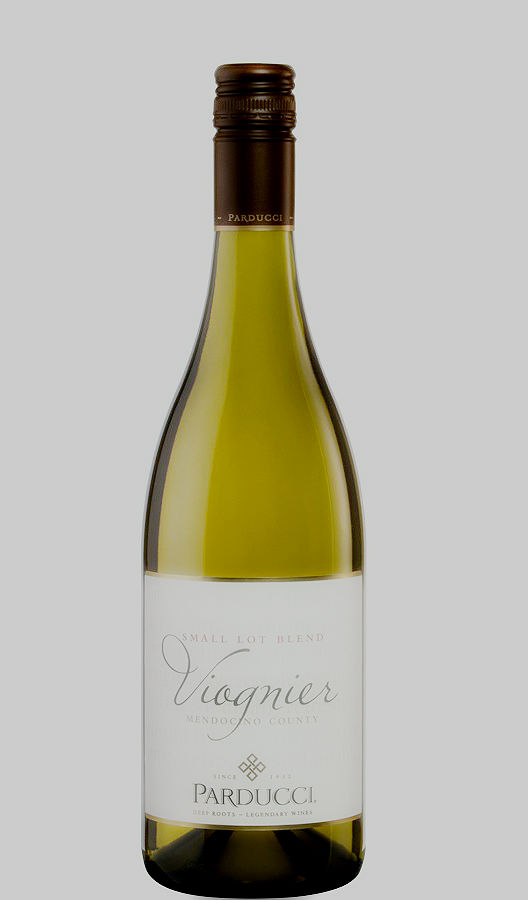
You can't go wrong pairing Tomme de Chambrille with wine, as it's a cheese that will go with many varieties. Some suggestions include Riesling, Gruner Veltliner, Chenin Blanc, Semillion, Viognier, Amarone, Pinot Noir, Syrah, Malmsey, Champagne, Port, Pedor Ximenez, Sauternes or Dulce de Monastrell.

Tomme de Chambrille pairs well with Vioginer.