StatCounter

Showing posts with label goat milk cheese. Show all posts

Wednesday, March 16, 2022

Montealva


Montealva
Montealva Cheese


It's hard to believe that in all the years Cured on Pearl Street in Boulder has been open, I had never been inside until a snowy day in March 2022. Despite the bitter-cold weather and just a few minutes after opening time, the place was hopping. There were people in line, waiting for their morning coffee and others getting ready to order sandwiches or other goodies. Before I got too far inside, I got distracted by the wonderful selection of chocolates, jams, and pantry items. Everything is presented beautifully, but when I eventually looked ahead, the cheese counter in the corner called to me as if a celestial light were shining upon it. 

Cured
Cured sells some wonderful cheese


The cheese section is where a limited selection of semi-soft, semi-hard, and hard cheeses sit atop an elegant gray counter. Upon closer inspection, it was obvious that Cured carries a variety of unique and unusual cheese from all over the world, and the cheesemongers there can tell you everything you need to know about each. The professional to whom I spoke was very, very knowledgeable and friendly, always a plus. He knew not just what each cheese tastes like but interesting little details about where and how the cheeses are made and aged. Initially, I went in thinking I would buy a super fancy product that I spied on their website, but it was temporarily unavailable. I hope to review that one another time once it's back in stock. There are some wonderfully intriguing selections from which to choose, so, moving to plan B, I opted for an interesting goat milk variety from Spain. 


Payoya goats
Payoya goats in Andalusia, Spain


Montealva 

For over fifty years, the craft of cheesemaking has been shared throughout the Aguilar family in Southwest Spain. Using milk from a herd of over 450 Payoya goats -- a breed that almost went extinct but is, fortunately, still surviving in the beautiful but rugged Sierra de Cadiz region -- brother and sister, Pedro and Isabel, continue their family tradition as affineurs in the town of Torrecera, Jerez. There, they create an extraordinary award-winning cheese called Montealva. This beauty was first introduced to the United States about eight years ago and has become well recognized internationally for its lovely flavor and its beautiful cotton-white interior. 

Cheese Rind
Some rinds you can skip consuming


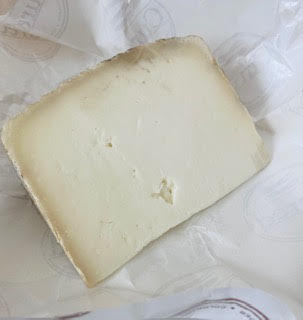
Inside the darker decorative rind -- rind pattern is an art form in and of itself, and the woven-grass pattern on Montealva is similar to that of Manchego -- that looks and smells (and tastes, though it's not recommended to go there with this type of rind!) like it has been rolled in dirt lies a supple paste that's bright and full of flavor. There is a strong barnyard smell that escapes the moment the wrapper is opened, but once the cheese is exposed to air, the musky, stinkier aroma dissipates. 

The flavor of this charming cheese is mild with more pronounced notes of citrus and a zingy tang that sneaks up on you without overwhelming your taste buds. Imagine a mild cheddar with a bit more spring in its step, one that makes you turn and take notice. The texture is creamy and smooth but slightly crumbly. Closer to the rind, the taste is more earthy, but the bulk of the interior is fruity, buttery, and sweet with just a hint of salt and nuttiness, a combination of flavors that some might call umami. The more it ages, the more the goaty flavor emerges.


Montealva Cheese
Montealva is a lovely, uplifting cheese
 

Keeping with the tradition of cheese made by their ancestors, the Aguilar family makes sure that Montealva remains all-natural and free from any artificial colors or preservatives. This semi-firm cheese made from pasteurized goat milk is aged two months and pairs beautifully with light toast, Spanish olives, apples, honey, marmalade, dried apricots, or fresh figs. It can be used on sandwiches to liven them up or added to baked pasta or tomato dishes. Try it in an arugula and pear salad with a creamy balsamic dressing or grated over scrambled eggs for an uplifting breakfast sure to wake you up and brighten your day. 

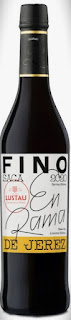
As far as beverages, this cheese almost demands a fino sherry but pairs nicely with a Spanish rose, Pinot Grigio, Sauvignon Blanc, sparkling Cava, or a fruity Syrah. If beer is more your pleasure, Saison is a good option, as is a wheat beer.
Fino
Fino sherry pairs well with Montealva


Thursday, February 18, 2021

Bijou

Bijou
Bijou goat milk cheese is quite cute.

Some time ago, I reviewed an interesting cheese from Vermont Creamery called Bonne Bouche, an aged goat's milk cheese with ash on its surface. In sharp contrast to the intimidating look of a deeply wrinkly cheese covered in black soot that accentuates the crevasses, Bijou is an angelic petit white button that's sold in pairs, two perfect twins sitting side-by-side nestled in a small carton. It's only with an up-close viewing that the small wrinkles on the surface of this cheese are apparent. From afar, the fromage is inviting, pretty even. It's not surprising that a cheese this good-looking was born in the beautiful state of Vermont. 

Here in Colorado with over 50 mountains exceeding 14,000 feet, we look at 4,000-foot formations, as beautiful as they are, more as hills than mountains, but Vermont Creamery sits in what's called the Green Mountains, which really are green or look so, even in the winter. Founded in 1984 by Allison Hooper and Bob Reese, the creamery became B Corp certified in 2014. Not only is it considered one of the best places to work in the state, voted by Vermont Business Magazine, it supports family farms in the area and promotes sustainability.  The company has won over 100 awards for its cheese-making skills, and in 2019, Bijou took top honors at the American Cheese Society Competition where Vermont Creamery took home a total of six awards. 

 From their website:

Allison learned how to make cheese during an internship on a farm in Brittany, France. Bob was working for the Vermont Department of Agriculture and charged with organizing a dinner featuring all Vermont-made products. When a French chef requested fresh goat cheese, Bob scrambled to find a local producer. He asked Allison, who was working in a dairy lab and milking goats in Brookfield, to make the cheese. The dinner was a success and the cheese was a hit; Vermont Creamery was born that night.

In the 34 years since the improbable business partners made their first goat cheese, a lot has changed. But the more things change at Vermont Creamery, the more they stay the same.

We’re still here in Vermont, making consciously-crafted, delicious dairy that reflects who we are and what we care about; we’ve taken the time to perfect every detail of what we make. Our cheeses and butter have won hundreds of national and international awards, our team remains our most valuable resource, and we still put taste above all. You’ll never eat anything we don’t believe in.

Bijou
The surface of Bijou is wrinkly.


Bijou means "jewel" in French but has come to mean "small and elegant" in English. Each two-ounce button is made using fresh pasteurized goat's milk and microbial rennet. Once the curds have separated from the whey, they are ladled by hand and allowed to coagulate and slowly drain overnight in cheesecloth, a traditional method of cheese making. This Crottin-style cheese is then aged. What so many reviews leave out regarding Bijou is that this is a Geotrichum-rinded cheese. The wrinkles that develop during the aging process are due to the addition of Geotrichum Candidum, which usually comes in a mold powder. Geotrichum is a genus of fungi that includes over 100 species, many of which I'm sure you would rather not hear about and should probably avoid. It was recently discovered that Geotrichum Candidum always clusters with yeasts, but when it comes to cheese, Geotrichum Candidum behaves more like a mold, producing lipases, enzymes that bind to fat globules and then break them down, releasing fatty acids. This reaction is what causes all the fun stuff to happen in cheese. It's associated with the aroma that people either love or hate, the interesting texture, and, of course, the taste of the cheese. Geotrichum-rinded cheeses are distinct because they have a wrinkly surface. 

Bijou


While this button of cheese is tres petit and doesn't give off any overly strong aromas, it packs a good flavor without knocking you out with the tang of the goat's milk. This soft-ripened cheese is mild with definite milky notes. Early in the aging process, it tastes sweet, very slightly nutty, yeasty, and tangy. Under the thin, wrinkly rind, the center is firm and has a pasty mouthfeel. As the product ages, the flavors intensify, and hints of hay and wild mushrooms emerge. There's a noticeable dash of salt that's not unpleasant. Overall, it's well balanced and intriguing. Past its prime, like most soft-ripened cheese, it will develop a slight ammonia flavor. 

It's very tempting to eat this cheese in one or two bites, but it's soft enough that it can be spread on a warm crusty baguette or served on Raincoast rosemary and pecan crackers. It's versatile enough to pair well with either sweet or savory accompaniments. Try it cut into wedges in a green salad or serve it on a cheese board with fresh fruits and roasted nuts. Though it takes away from the cuteness factor, it's a great cheese on grilled sandwiches and can be used in other baked dishes. A way to keep the cheese looking adorable is to bake it in a mini crust and serve it with cherry preserves or fig jam. 

Pair Bijou with Chardonnay, Viognier, Sangiovese, Syrah, Rose, Blanc de Blanc Champagne, Cabernet Franc, Chenin Blanc, or a not too sweet ruby Port. Vermont Creamery suggests an apple cider beer, which sounds perfect, but you can also try it with an IPA or wheat beer. 

Try Bijou with Cabernet Franc.