StatCounter

Showing posts with label review. Show all posts

Monday, August 11, 2025

Godminster Vintage Bruton Beauty

A stone bridge in Somerset, England


Apologies for the long lapse in updating this blog. Between the price of fancy cheese reaching startling heights, close to those of 2022, and life coming at me fast, I let my writing and, but for some mass-produced slices, my cheese consumption slide. 

It always takes an outside spark, a different and unique item, something intriguing catching my eye, to generate renewed interest and make me realize how much I miss reviewing cheese. A good and lively conversation with a kind cheese monger doesn’t hurt, either. What captured my attention this time was a cute little puck of English cheddar wrapped in purple wax and topped with an amusing label. Who could resist?

Bruton Beauty sits among other cheeses at Whole Foods


Godminster Vintage Bruton Beauty hails from Somerset, a picturesque county in South West England, complete with stunning castles, rolling hills, and beautiful cottages. Godminster was founded by Richard Hollingbery in 1999 and has been creating award-winning organic cheeses ever since. While the company employs traditional cheese-making techniques with some recipes dating back 90 years, its focus is on adopting sustainable practices by sourcing milk from nearby British farms

When I say that Godminster is concerned about sustainability, that’s putting it mildly. In fact, the company won the Boom award for best organic farm in 2021. Godminster has planted more than 25,000 broadleaf trees on its farm since its inception. According to the website, this has led to:
a visible increase in the wildlife population.  There are now 15 ponds encouraging bio-diversity and reeds that cleanse the ground water.”

Don't miss out on the cute video on their homepage.
Irresistible label
       
The label is adorable


The company's claim about this particular cheddar is the following: 

"A mysterious, rarely spotted creature, the Bruton Beauty lives out of sight on the Godminster farm, and brings the gift of good luck to all those she passes. Our original cheddar and a firm favourite, the Vintage Bruton Beauty’s signature smoothness puts it firmly at the heart of the cheeseboard."

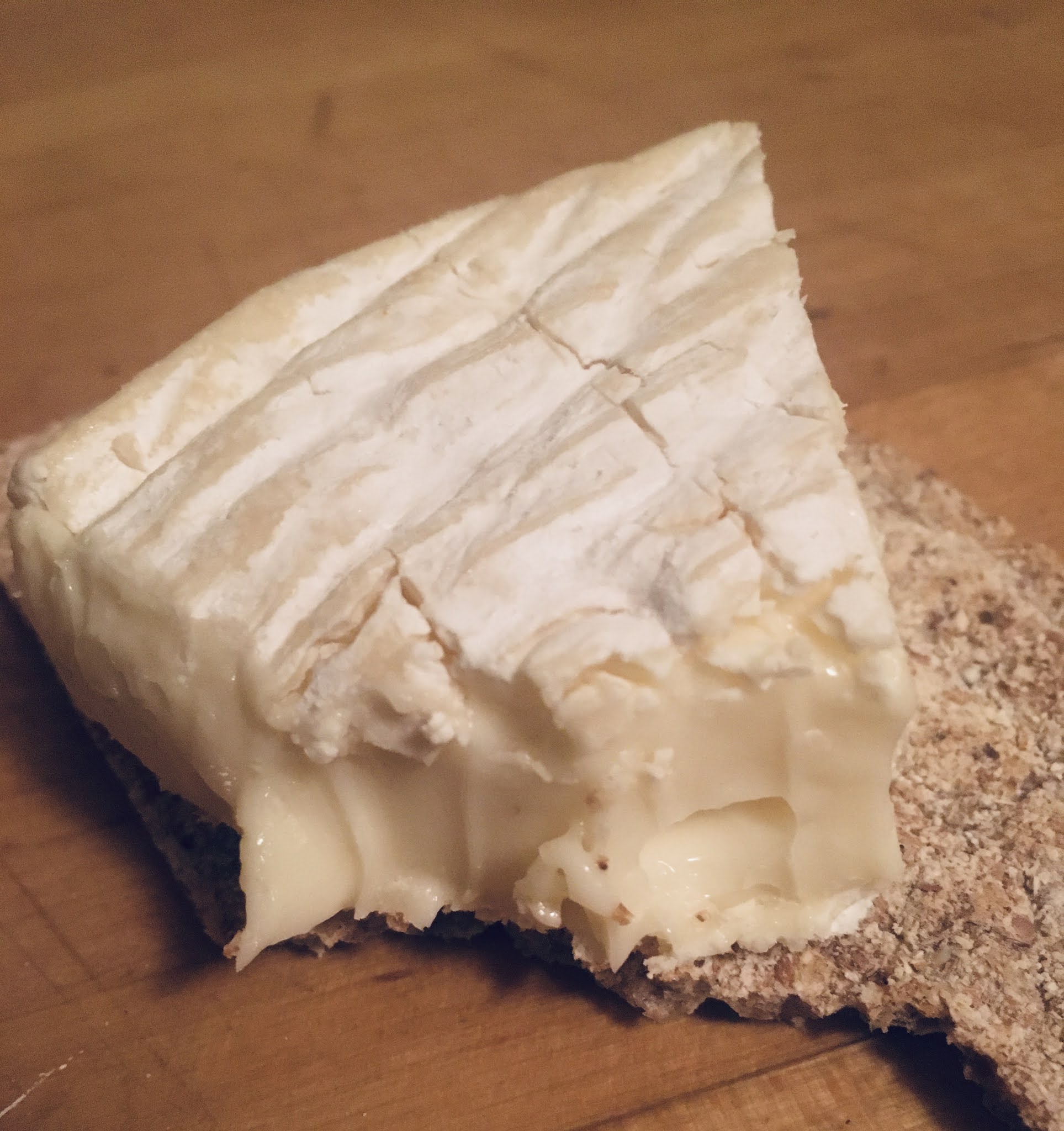
Right away, it's hard to resist the urge to dig into the Bruton Beauty round with a spoon, which probably wouldn't work very well on this semi-hard cheddar. Once the pretty, ivory-yellow cheese is exposed by removing the outer wax, though, temptation hits hard. It takes some restraint not to dig right in. The aroma conjures up images of a warm spring day -- bright sunshine, sweet hay, and flowers, however, the most potent scent is of butter, lovely, creamy butter. One big sniff makes the salivary glands spring into action.

Bruton Beauty is wrapped in purple wax

Bruton Beauty has a beautiful interior


If you're like me and can't hold back or wait to grab some crackers or bread and just have to sink your teeth into the inviting, firm but pliable and slightly sticky paste, go right ahead. The flavor stands just fine on its own. Don't you love it when you can see a trail of teeth marks after you bite into something? Mmmm

Despite its richness, this is an aged cheddar that's hard to stop eating once you start. It's mild with sharper, tangy after-notes and a subtle nuttiness that's difficult to describe. The first bite comes off as rather salty, but it's well-balanced overall. There’s a hint of fruitiness or sweetness that makes this product even more appealing. It’s buttery both in flavor and mouthfeel. 

At room temperature, the texture is gritty at first due to cheese crystals but quickly becomes creamy, oh so very creamy and soft on the tongue. It melts in the mouth. Oddly, when it's heated, the Bruton Beauty releases a sharper flavor. Its texture is more oily than dry, but it seems to have the urge to crumble without the ability to do so. Still, it would work well cut into small bits and sprinkled on a green salad


The Bruton Beauty is a very versatile cheese. It works well in baked dishes, and it’s fantastic melted on top of sautéed vegetables. While it is a vegetarian cheddar cheese, it also pairs well with Italian cold cuts and is a great addition to a burger. Its round shape makes slicing for this purpose ideal. Of course, this cheese would look fantastic on a cheese board with spring fruits, roasted almonds, black olives, and a sliced baguette on the side. 


As far as beverages, this cheese pairs well with Pinot Blanc, Friulano, Zinfandel, a Syrah blend, or a tawny port. If you're more a beer fan, try the Bruton Beauty with a pilsner or a session IPA.

Bruton Beauty pairs well with a Zinfandel 

Sunday, June 4, 2023

BellaVitano Cheese Review

It looks like time has slipped away once again, and I've neglected my cheese review duties. Without further delay, I will jump right into the commentary. 

BellaVitano Cheese is one that I've been meaning to write about for a very long time. My introduction to this cheese was several years ago. It comes in many flavors, each with a distinct taste, and each celebrated with an impressive array of awards. The different flavorings come from the ingredients added to the rind or in which the cheese is soaked, and these include Balsamic vinegar, Merlot wine, raspberry ale, espresso, black pepper, Tennessee whisky, plus a few others. After trying several options, my favorite so far is the Merlot enhancement. 

Plymouth, Wisconsin is the cheese capital of the world.


Made by the Satori Company located in Plymouth, Wisconsin, a pretty little city that sits along the Mullet River, this is a product that's best described as a traditional Italian farmstead cheese with a few minor differences. For instance, the cow's milk used in BellaVitano cheese is collected from local farmers instead of on the exact premises, and the milk is pasteurized not raw. Satori is a company with a large team of talented cheesemakers and is focused on creating award-winning products, but it's not a dairy or farm. However, the company works closely with farmers within 70 miles of the facility, so it's the next best option. In addition to supporting local family farms, the Satori company also promotes sustainability and education through its partnership with these farms.  

Shortly after the company began in 1939, its Italian founder, Paolo Sartori, invented and patented mixing and stretching machines that revolutionized the cheese-making process. Since then, the Satori company has consistently produced high-quality and great-tasting cheese, starting with Parmesan and eventually adding cheddar, Asiago, and BellaVitano to their vendibles. 

People describe the basic flavor of BellaVitano as Parmesan-like, and there are definite notes of this classic cheese, but the Sartori creation is more of an everyday or table cheese, not one that’s primarily used in cooking, though it makes for a nice addition to prepared dishes, too. It's not as crumbly as the one that hails from the provinces of Parma and Reggio Emilia. In fact, BellaVitano has a fairly creamy texture for a harder cheese. 

Like Parmesan, it has tangy and sharp notes, but it's not as salty or as intense as the Italian standout. The flavors overall are more subdued, but this cheese line has more of an umami taste and is richer, more luxuriant, and easier to eat than Parmesan. Some say it's more like a cross between Parmesan and a mild cheddar. Depending on the outer or soaking flavors, the nuttiness of the cheese is either more pronounced when the tanginess is tempered or harder to detect when the sharp notes shine.

Vegetarians can indulge because the BellaVitano line is made without animal rennet. Also, because it's aged well, the flavors are enhanced, and, regarding texture, wonderful tiny crunchy calcium lactate crystals are embedded within the meat of the cheese. It has a dry quality but is more moist and creamy with a smooth mouthfeel. If that sounds contradictory, think of how a wine is wet but can also be described as dry. It's a cheese that makes you smack your lips no matter what flavor option you choose!


BellaVitano with Merlot on the outside

Each BellaVitano flavor is distinct


The three flavors I have tried were all really wonderful in different ways, some more subtle than others, but all with distinct characteristics. None of them is overly sweet tasting, even the ones that have fruity accents.

Merlot- The wine flavor balances out the tanginess of the cheese. It's mellow with boozy, fruity wine notes. 
Balsamic - The Balsamic vinegar enhances the tanginess of the cheese. It's punchy and crisp with definite fruity and sour notes.
The cognac flavor was offered for a limited time. I don't know if it's still available or if it will be again, but it was lovely. The cognac elevates the flavor and adds a certain elegance and richness while taming the tanginess of the cheese. It's smooth and intriguing.   

The wine and food pairings depend on the unique toppings of each cheese. I think the Satori company did a beautiful job of creating appropriate wine and food pairings for each of its cheeses. You can follow this link to discover what foods and beverages pair well with BellaVitano cheese. I would just add that nobody should shy away from using these cheeses in baked dishes, on salads, or on the side of a hearty roasted root vegetable dish, especially when it comes to the Merlot flavor. This is a cheese that can stand up to less traditional pairings and, as nice as it is plain on crusty bread, it actually tastes great on a turkey sandwich or in a spinach and fresh pear salad. Don't be afraid to try it with chocolate and roasted nuts, either. When a cheese is developed that's outside of the box, go ahead and be daring with your pairings. 

Friday, April 22, 2022

Bloomsdale

Bloomsdale Cheese
Bloomsdale cheese is lovely and bright

Some time ago, I enjoyed an interesting goat cheese from Baetje Farms. I won't leave that one unaddressed, but more recently, I stumbled upon a different cheese from the same company and decided to review the two out of order. Bloomsdale, the one I tried more recently, is a wonderful find but not always available in your local supermarket. Fortunately, you can purchase it directly from the source on the Baetje Farms website.

Inspired by the renowned French goat cheese Valencay, a pyramid-shaped little product that's coated in ash, Bloomsdale is a wonderfully intriguing cheese. Considering the location of Baetje Farm near the Forche du Clos Valley where French settlers landed after coming down from Canada in the 1700s, it's not surprising their flagship cheese was inspired by one of the great goat cheeses of France. 

Regarding the flat-topped Valencay, the story goes that Napoleon was angry when he was presented with this pyramid-shaped fromage and insisted the tops be truncated. Apparently, his failure to take control of Egypt came to mind when he saw the cute little dairy product with its pointy hat. The formerly perfectly shaped pyramid reminded the French leader of his defeat, so, in a rage, he demanded that the tops of this cheese be leveled. It seems that for a brief time, France became the opposite of the Pointed Village, and since then, other cheesemakers have also leveled the tops of petit cheeses that would otherwise look like mini royal Egyptian tombs.  

Bloomsdale Cheese
Bloomsdale has a flat top

Sharp top or not, the minor change in shape didn't affect the wonderful flavor of the product back then and certainly hasn't in more recent times. Bloomsdale is a lovely and vivid mold-ripened goat cheese. Inside the bloomy white rind that's rolled in pine ash and salt lies an interior that's similar in texture to some fresh goat cheeses, only it's slightly drier and cakier overall while still very creamy on the tongue. It has a dense mouthfeel without any feeling of it being heavy. The aging process increases and deepens the sharper and tangy notes but doesn't overpower the rich mushroom and earthy flavor. A sharp tang sneaks up on you and is more of a potent aftertaste that lingers, and there's a hint of salt to balance all the flavors. The more the cheese ages, the softer and runnier it becomes, and the more pungent the flavor becomes. 

It's not surprising that Baetje Farms has won many awards for their cheeses, over 70 national and international titles with Bloomsdale bringing home top honors multiple times!

Bloomsdale cheese
Over time, Bloomsdale becomes softer.


On the Baetje Farms website, they state: 


Our cheese-making facility is built to produce small quantities of cheese coupled with state-of-the-art aging facilities that produce exact temperature and humidity conditions. We use very fresh rennet and cultures that are imported from France and Denmark. The first cheese plant was added onto the barn in 2006 and a second addition in 2011 to meet demand.  Who knows, we just may be added on again soon!


Serve Bloomsdale with Waterwheel crackers, crostini, or a standard sliced baguette. You can add it to a simple salad with vinaigrette or place it alongside fresh grapes, sugared fruit, or dried apricots. Other accompaniments include toasted walnuts, honey, sundried tomatoes in oil, or crudité. This cheese works exceptionally well in a sauce for cooked meat or as a topping on a hamburger. It's even better with meats as the cheese ages. 


As far as beverages, pair Bloomsdale with Reisling, Chenin Blanc, Petite Sirah, a bright rose from Provence, or Pedro Ximenez. If beer is more your thing, try it with SeaQuench Ale or a Belgian-style Saison.


Rose Wine
Try a rose with Bloomsdale. Photo by Vincenzo Landino


Thursday, August 26, 2021

Moses Sleeper


Moses Sleeper
Moses Sleeper is a bloomy rind cheese.

When sampling cheese, I often buy the same product at least twice from two different stores whenever possible, just to compare and make sure there aren't differences in taste due to the way the cheese is stored. It's a good thing I did when trying Moses Sleeper because the first time I purchased it, I did so from a shop that really shouldn't have stored anything so far past its prime in the case. It's a shame when cheese mongers sell a product so old it starts to emit a foul stench. Anyone who reads this blog knows I'm not afraid of the funk, but there's a difference between stinky cheese and cheese so far past its prime the entire thing oozes and reeks of ammonia. Selling cheese this old really does the company a disservice. 

Jasper Hill creates some wonderful cheese such as Moses Sleeper.


Sold at the appropriate age, Mose Sleeper is a wonderful Brie-like cheese. If Brie had a sturdy older brother who showered a little bit less but still dressed with finesse, it would be Moses Sleeper. The flavor is more potent, which is fitting considering its name. According to the Jasper Hill website

This cheese’s historic namesake, Moses Sleeper, and his compatriot, Constant Bliss, were Revolutionary War scouts killed while defending a blockhouse along the Northeast Kingdom’s legendary Bayley Hazen Military Road.    

Though the flavor is stronger than traditional French Brie, I didn't think it was enough to mislabel it as a wash-rind cheese, as one reviewer did. No, Moses Sleeper falls into the bloomy rind category. Its white, velvety exterior, created by the addition of penicillum camberti, covers a milky, buttery, mushroomy, tangy paste that gets gooier the longer it ages. With time, the layers of flavor also intensify, and the overall taste becomes richer, nuttier, more earthy, and pungent. 

Moses Sleeper
Moses Sleeper on rye crackers makes a great snack!


Moses Sleeper, a soft-ripened cheese, starts with pasteurized cow milk and standard animal rennet. Sorry strict vegetarians and vegans, you will probably want to skip this one. After the curds are cut, ladled into molds, and drained, the 16-oz wheels are aged six to 12 weeks, compared to traditional Brie, which is aged four to 10 weeks.  

The heartier flavor of this Brie-like product pairs well with a country baguette. It can be served chaud, en croute, or at room temperature with stone-fruit or apricot jam. It works well in baked dishes such as mac & cheese but works equally well in a mixed greens salad with fruit and champaign vinaigrette. Presenting it on a cheese board with a variety of accompaniments such as red grapes, country pate, dried salami, dried figs, cornichon, rosemary crackers, toasted almonds, and dried tomato slices is an excellent option. 

Calvados pairs well with Moses Sleeper.

As far as beverages go, Moses Sleeper pairs well with Chardonnay, Chenin Blanc, Zinfandel, a Californian Pinot Noir, Sauternes, or Calvados. If beer is more your thing, go with Time Crystals #1, Belgian Tripel, or a Bohemian-style pilsner. 


Friday, February 12, 2021

Dirt Lover


Dirt Lover
Dirt Lover cheese in its cute wrapper.

Dirt Lover sheep's milk cheese is a curious little nugget of tastiness. I found it difficult to review this product immediately after having sampled Kinderhook Mini. I kept comparing the two instead of simply enjoying what was on my plate. Both are made from sheep's milk, and both have a bloomy rind. That said, compared to Kinderhook Mini, Dirt Lover is drier and sharper with a more pronounced tang. It's also a tiny bit saltier, but not in a bad way. 

I was trying to find the word to describe the cute little shape of this cheese. In more popular terms, it's known as a cylinder, but I kept thinking there was another word like crottin or crotte that described the extra petite barrel. Crottin is actually a different cheese, similar in shape to Chabicou and le Chevrot. All of these cheeses have a similar form that's small, round, and not too tall. When I learned that crotte is French for poop, usually of the horse or farm animal variety, I couldn't help but laugh. I'm not going to show images, but, regarding shape only, sometimes the little nuggets of cheese sort of do look like something you might accidentally step in at the barn. Try not to think of manure when sampling this cheese because, when it comes to taste, they have nothing in common. 

Dirt Lover
The little nugget of cheese is intriguing.


There's so much to love about the birthplace of this cheese, Green Dirt Farm, founded by Sarah Hoffmann, a woman who wanted to raise her children on a farm where they could enjoy spending time outdoors in the fresh air. But Sarah wasn't moving to the country in Missouri just for herself and her family. She had an idea to create an environmentally sustainable sheep dairy where the animals would be treated humanely. From there, it took a few years before she was ready to begin selling cheese. She had to learn the cheese-making process and then think about the production end of the business first, but after six years, everything fell into place. Once the cheeses landed on the market, it's no surprise that Green Dirt Farm products started winning a variety of awards. These days, Sara and her daughter, Eliza, work with a small team to keep the business running smoothly and ethically. 

From the Green Dirt website: 

As the ewes munch on this rich smorgasbord of grasses throughout the seasons, the flavors in the milk changes, and so do the flavors in the cheeses. We celebrate these unique flavors as they reflect what the sheep are eating in the moment and remind us of the seasonality of life on the farm.

In addition, the milk of grass-fed ruminants naturally contains more omega-3 fatty acids, conjugated linoleic acid, beta-carotene, and vitamins E & A. This enriched nutritional profile means our grass-fed sheep’s milk products are both healthier and more flavorful.

But you don’t have to take our word for it, we are proud to be Animal Welfare Approved. This means that we raise our animals humanely, outdoors on pasture, allowing them to behave naturally and socialize freely. We are audited yearly to ensure that we are maintaining Animal Welfare Approved’s strict standards.

Similar to Selles Sur Cher but not as dark, Dirt Lover is coated with ash. Selles Sur Cher is coated with wood ash whereas Dirt Lover is covered in a light coating of vegetable ash. Vegetable ash is exactly what it sounds like, vegetable matter that has been dried and charred until it's turned into ash. Ash doesn't typically have much flavor and is sometimes added simply for show, but it is also used in cheese making for several functional reasons. Folklore claims that a light dusting of ash on the evening curd kept the flies from sampling the goodies when folks were making cheese, and then more curd was simply added on top of the ash the next day. These days, increased production is such that most cheeses are made from one milking, and the reality is that ash was probably added because it keeps the curds from spoiling by soaking up excess moisture without adding much flavor. Whether of the wood or vegetable variety, ash is mostly carbon, and it neutralizes the acidic surface of developing cheeses. A lower PH encourages the right kind of mold, specifically penicillium candidum and geotrichum in bloomy rinds, to develop while keeping unwanted mold, especially blue, black, green, or red, from forming. 

With added ash on its surface, Dirt Lover more easily forms a thin rind as the 100-percent pasteurized sheep's milk cheese ripens for about two weeks. As with other "live rind" cheeses, fats and proteins break down over time and create a gooey texture just inside the rind of Dirt Lover, but the majority of the cheese is a wonderful firm texture. In the same way that wines can be dry and wet at the same time, so is this fromage. The dryness is no mistake, and don't worry because the finish is creamy on the palate. The paste itself isn't as creamy as most Brie-like cheeses, but the overall mouthfeel is smooth. It's the kind of cheese that makes you smack your lips with a great flavor that's balanced nicely. 

The Dirt Lover interior is white.


Despite a lack of any strong mushroom smell, Dirt Lover has a lovely earthy flavor that's rich, nutty, and buttery. The obvious tang from the sheep's milk isn't overwhelming or overly sour and makes this more interesting than other more traditional bloomy rind cheeses. In the early stages of aging, this little appetizing button has hints of citrus as the paste lingers on your tongue. In the later stages, notes of hay and the barnyard stand out. I can see why the cheesemonger who sold me this little gem was excited about it.

It was hard for me to pair this cheese with anything. I wanted to just keep eating it plain and savor the wonderful complexities of this intriguing dairy product, however, it does go exceptionally well with crusty French bread, which is no surprise since it's modeled after some of the old European cheeses that made the use of ash in cheese making popular. It looks and tastes great in salads, on cheese boards, and with fruit platters. Although it takes away from the attractive look of the cheese, it can also be used in cooked dishes or baked in a crust like Brie. 

As far as wines, you can be daring and try this with a Sangiovese blend that will draw out the complexities of this cheese. It's also great with rose, Merlot, an unoaked Chardonnay, Sancerre, Chenin Blanc, Prosecco, and even tawny port. If it's beer you're into, go with a pale ale, wheat beer, or an IPA. 


Monday, October 2, 2017

Buying Things For the Cuteness Factor

I have a hard time resisting cute items in small packages. I once bought a container of three baby cauliflower heads, one purple, one white, and one yellow, for five times what they should have cost simply because they were so little and adorable. They tasted exactly the same as adult cauliflower, which I knew would be the case, but they were so darn cute. I couldn't resist. The same urge to buy overcame me when I saw the mini Ile de France Brie cheese in the to-go case at Lucky's Market. Fortunately, this little fromage won't drain your pocketbook.

Ile de France mini Brie
Ile de France Brie comes in a colorful package.

Ile de France mini brie comes in a 25-gram serving in a plastic container. That's just under one ounce, and it's just about the cutest round of cheese you can imagine. Unlike many individually wrapped cheeses, this is real cheese. It's truly a scaled-down version of Brie, not a cheese-like product. That said, the flavor and texture aren't exactly like a classic, normal-sized Brie.


Ile de France mini Brie
Even a mini Brie has a bloomy rind.

Ile de France
Ile de France Brie has a nice thickness.

This mini Brie has a soft interior, much softer than one would expect. You won't find a firm paste with a creamline under the bloomy rind that's not as moldy as the larger version. In fact, the interior is a lot like the creamline of a regular Brie, only a bit firmer. The flavor is not as intense, but there are a slight earthy note and the typical mushroomy flavor of the rind that emerges once you bite into the tiny wheel.

Don't buy Ile de France mini Brie expecting a brilliant cheese; buy it because it's charming and easy to pack in your lunch box. Serve this little gem with a French roll or any way you would normally serve Brie. It pairs well with fruit, chutney, crackers, figs, or toasted nuts. 

Chardonnay is probably the more sensible wine choice when it comes to pairing Ile de France mini Brie cheese. Reisling, Viognier or Marsanne also go well with this cheese. For reds, try a Pinot Noir or other fruity selection. If you prefer beer, go with a Pilsner or a light beer. 

Tuesday, September 26, 2017

Cabot Clothbound Cheddar

Oh, the world of cheddar. There are so many varieties and flavors. Sharp, mild, medium or smoked, there's a cheddar for everyone. The English made them famous, but cheddars are produced all over the world now. Unlike Roquefort, cheddar cheese has no protected designation of origin, but there's a distinct label in the European Union for West County Farmhouse Cheddar that specifies this cheddar must be made using traditional methods with milk that's local to the regions of Somerset, Dorset, Cornwall and Devon. Outside of Europe, however, cheddar and cheddar-like cheeses can all be classified as cheddar.  

Cheddar cheese starts with a process of heating the milk and adding rennet, an enzyme that helps form the curd. After the whey is poured off, the curds are left to drain and eventually knit together in a cheesecloth. The mass is removed from the cloth and sliced into small loaves that are stacked on top of each other, allowing more moisture to drain. This process of stacking the loaves is called cheddaring, and it affects both the texture and the flavor of the cheese. Cheeses created using this method tend to be dry and layered in their texture, and the flavor is usually less acidic than cheeses with more moisture. 

The story goes that in 2003, Cabot creamery partnered with Jasper Hill to create a particular cloth-bound cheddar. Developing cheese flavor doesn't depend solely on the age of the cheese; it also depends on how the cheese is aged. That's where Jasper Hill steps in and shines. Wrapping a wheel of cheese in cloth as it ages reduces the loss of moisture and helps to develop a hard, natural rind that protects the interior. These days, many companies use wax, which works well to keep the innards moist but prevents mold and, as a result, more subtle flavors from developing. In fact, the good folks at Jasper Hill rub lard on the young cheddar from Cabot Creamery in order to support mold growth as the cheese ages for about a year on spruce shelves. There's no lack of complexity in this cheese. 


Cabot Clothbound
Cabot Clothbound has a natural rind.


When you think of cheddar cheese in the United States, you often think of the classic yellow, oily dairy product that has a slightly sharp tang but is more often than not one-dimensional. Cabot's white clothbound cheddar is wax-covered, yellow cheddar's sophisticated and more mature cousin. It's understated but intriguing and, despite its straight-laced first impression, attractive in its covert complexity. 


Jasper Hill cheddar
The slightly dry interior is pale but flavorful. 


Cabot Clothbound is an award-winning cheese with a dry, slightly crumbly texture. Its aroma is beautifully balanced, not too funky and not too bland. It's milky and inviting. The natural rind offers earthy notes, but the overall flavor is light and well balanced with a nutty, sweet, caramel finish. The classic cheddar tang is bright, tart and apparent, but there are subtle milky undertones that make this cheese a winner. The savory-sweet combination makes this cheddar the perfect cheese to pair with nearly any dish, hot or cold. Cheese straws made with Cabot Clothbound are divine.

Serve Cabot Clothbound cheddar with crisp apple slices, on a cheese and charcuterie board, or by itself with a side of homemade potato or sweet potato chips. Though it's not the best slicing cheese, it still goes well on sandwiches, grilled or cold. Use this cheese in any recipe that calls or cheddar or a mixture of cheeses. Don't forget to add a piece to a slice of warm apple pie for dessert.


Cider pairs well with Cabot Clothbound. 


Unlike some of the big, bold, extra-sharp cheddars that can handle a powerful wine, Cabot Clothbound does better with medium-bodied wines, though there's no real bad match when it comes to this cheese. If you do go for a Cabernet, you might want to stick with a low-tannin, fruity Chilean or Australian type. Try serving this cheese with Pinot Blanc, Friulano, Nebbiolo, Syrah, Zinfandel, or a tawny or ruby Port. You won't be disappointed if you pour yourself a nice brown ale as an accompaniment, and a sparkling cider pairs exceptionally well, too. 


Monday, August 21, 2017

Tomme de Crayeuse

I spent a lot of time eyeing this cheese before I could work up the courage to buy some. I would go to the store, take a few moments to stare at it while it eyed me back and then turn around and walk away, defeated. It's the first time I've ever been afraid to try a cheese. You see, when it comes to stinky cheese, I always thought I was as brave as they come. I generally don't mind a little whiff of ammonia that occurs when cheeses go beyond the ripe stage, and readers probably know that I'm down with the funk. The smell of a good stinky cheese intrigues me rather than repels me. Tomme de Cayeuse is something else, though. It's only for the truly brave of heart.

While deciding whether or not I wanted to try this rustic fromage, I did some research. I read reviews and couldn't understand why I was seeing descriptions of the aroma it emits being "strong" or "earthy". Nowhere did I read what people should have been saying, that this cheese stinks. It smells like the aftermath of a sinister event that went down behind a dumpster. It smells like death, a rotting corpse or trash that has been left outside in the sun too long. Am I exaggerating? I don't think so. People describe the smell of the durian fruit as pineapple sitting in an outhouse and still want to try it. Well, despite the aroma of this cheese causing alarm, I figured I would at least sample it if I could bring myself to buy some. I imagined sealing the wedge I would purchase in a container to prevent the entire refrigerator from smelling like a food experiment gone wrong, very wrong. With a plan in mind, I finally grabbed a sizeable wedge, plugged my nose and headed to the checkout lane hoping anyone around me wouldn't be offended.

Tomme de Cayeuse


Before I get to the flavor, let me tell you about the name. Tomme or Tome refers to a type of cheese usually produced in the Alps of France or Switzerland. These cheeses are often made with skim milk or leftover milk and are usually earthy and reminiscent of other alpine cheeses. Different types of Tomme cheeses are identified by the regions where they are made. Tomme de Savoie is one of the more famous tomme-style cheeses, and Tomme de Crayeuse is also made in the Savoie region. Tomme de Crayeuse was actually first created somewhat by accident when an affineur, Max Schmidhauser, was trying to find a way to improve a Tomme de Savoie recipe in 1997. Like Tomme de Savoie, Tomme de Crayeuse is made with cow's milk, and it shares many of the same characteristics.

Tomme de Cayeuse


Crayeuse means "chalky" in French. I can't say that this cheese is really chalky, but it's not oily or soft and is somewhat dry without being crumbly. Some claim that the name is a play on words, a way for people to remember its name by associating it with Tom Cruise. It's a bit of a stretch, but now that I know this, I can't help but think of the Scientology activist and American actor every time I see this cheese. Unlike the clean-cut movie star, Tomme de Crayeuse is on the dungy side. The rind is brownish and moldy looking with patches of white and gray. It looks a bit scary, not like something anyone would immediately think of consuming. The mold develops during the ripening stage that takes place in a cave.

As far as the flavor, it's dank, earthy and mushroomy with hints of the barnyard and hay, which is no surprise when you think about the cheese aging in a warm, moist grotto. In the case of this cheese, it's the one time I will say that's it's really OK to skip consuming the rind, though some people like the taste of deep earth and dirt. The more this cheese ages, the scarier the natural rind becomes. That's where you will find strong ammonia flavors after it ages past its prime. The interior also changes as it ages, becoming gummier and the flavor woodier. Where this odd creation succeeds is in the very inner paste. Here you will find a very lovely and nutty, mild cheese that has faint notes of toast and straw. You might even detect a very slight hint of citrus. Heat the cheese and any bitterness or strong lingering flavors soften, creating a wonderfully flavorful gooey mass.

Serve this cheese with selected charcuterie, sausages, fresh fruit, rustic breads or whole-grain crackers. Sneak it in baked dished for an extra bite or serve at room temperature on a cheese board.


Pinot Noir or Pinot Nero pairs well with Tomme style cheeses.

Tomme de Crayeuse can take a big bold wine with lots of tannins like a Cabernet Sauvignon or Shiraz. It also pairs well with something more subtle like a Cote de Rhône or Pinot Noir. Gigondas is an excellent choice. You can also try it with an Alsace Riesling, Chardonnay or a Rousette de Savoie. Surprisingly, slightly sweeter wines are a great accompaniment. Give a Tawny Port, Madeira or a Sherry a try. A cheese like this pairs exceptionally well with beer. Try it with Gueuze Girardin or your favorite lager.

Monday, August 14, 2017

Tomme de Chambrille


Sometimes a cheese is so outstanding, it leaves me temporarily speechless. Such is the case with Tomme de Chambrille. This cheese is one you have to experience and savor. It's only after I have had time to recover from my pleasant cheese-induced stupor that I can finally write about how incredible this goat cheese is. If it were a horse, Tomme de Chambrille would be a Friesian: unique, mesmerizing, and bold but still beautiful looking. Overall, it's incredible. Leave it to the French to create such a masterpiece. Am I biased? A little bit, but those French cheeses sing to my soul.

Tomme de Chambrille hails from the Poitou Charentes region in south-western France. This area sits south of the Loire Valley. It includes the communities of Cognac, Rochefort, Saintes and La Rochelle, to name a few. Some of you might be familiar with one of the more renowned castles in this area, Le Rochefoucauid. Needless to say, this part of France is incredibly beautiful and lush.


French goat cheese
Ash is used on the rind of Tomme de Chambrille. 


One of the many characteristics that sets Tomme de Chambrille apart from other goat cheeses is its slightly bumpy, bloomy, ashed rind. The coatings of goat cheeses in the Loire Valley are notorious for having ash on them, and many cheese makers in the United States and elsewhere also use ash these days. Tomme de Chambrille's coating is dark enough that it makes an impression but not threatening looking to anyone unfamiliar with these kinds of cheeses.

Ash is added to help with the aging process and to attract favorable bacteria that enhances the flavor of the cheese. It looks pretty, elegant even. It's definitely different. Coating cheese in ash also protects the surface and lengthens the aging process, preventing too much mold growth. As the affineur, Herve Mons does an excellent job of aging this cheese, which isn't surprising considering the many wonderful cheeses on which Mons has worked his magic. This particular beauty is aged on straw mats for at least one month.

French goat cheese
Tomme de Chambrille has a beautiful creamline.


The outer appearance aside, what's most intriguing about Tomme de Chambrille are the overall flavor and the texture. Its light, fluffy and pristine white interior will surely grab your attention, and there's a beautiful creamline that runs along the edge of the rind. While the creamline, which forms when bacterial activity of the rind breaks the solid cheese into a liquid, enhances the mushroomy, earthy flavor of the bloomy rind, the inner paste is noticeably tangy, fruity and light.

French goat cheese


This cheese is head and shoulders above most other cheeses in the goat cheese family. The goaty taste, while strong, isn't overwhelming or shocking. All the flavors blend perfectly and evolve on the palate. As the cheese ages, the flavors become more intense and complex. Once you try this exceptional little fromage, you will probably end up dreaming about it and longing for more. What an extraordinary and memorable product. You can find Tomme de Chambrille at Whole Foods Market in Boulder.

Serve Tomme de Chambrille with crackers or on crusty French bread. I believe this cheese can stand alone, but don't be afraid to add it to a cheese platter. Try it with dried or fresh fruits, sliced cucumbers, or roasted nuts. It pairs nicely with sweet or savory jams or preserves as well. Like Bucheron, Tomme de Chambrille can be used in main dishes and salads.

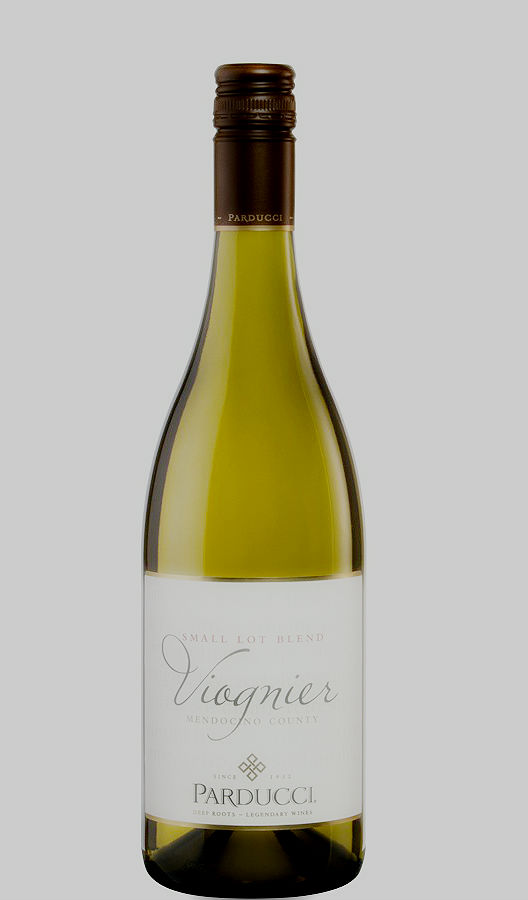
You can't go wrong pairing Tomme de Chambrille with wine, as it's a cheese that will go with many varieties. Some suggestions include Riesling, Gruner Veltliner, Chenin Blanc, Semillion, Viognier, Amarone, Pinot Noir, Syrah, Malmsey, Champagne, Port, Pedor Ximenez, Sauternes or Dulce de Monastrell.

Tomme de Chambrille pairs well with Vioginer.


Thursday, May 11, 2017

Hartwell

People warned me that I might be disappointed by this little Brie-like cheese. I was not. Sometimes the beauty of a cheese is in its subtlety. Perhaps because Hartwell is one of Jasper Hill's babies, those who cautioned me were expecting a jaw-dropping dairy experience with this cheese. Jasper Hill is the same company that produces the wondrous Harbison, a cheese that's unlike any other, one that leaves a definite impression. In the same way that Iggy Pop defines punk rock and you can't compare soft punk (yes, that's a thing) stars to a celebrity so legendary, don't try to compare any cheeses to Harbison. You will be disappointed if you do, but if you go into cheese sampling escapades with an open mind, you might be pleasantly surprised.


Jasper Hill Hartwell
Hartwell cheese comes in a tiny package.


Hartwell may not be the life of the party, but sometimes a wallflower is more intriguing and ends up being the one people hold dear. It's unique in its own right and comes in a downright adorable package. The milk from grass-fed cows is how the cheese gets its overall rich, buttery flavor. It has a bloomy rind that's washed with the sediment from Eden Ice Cider, which gives the soft, outer surface a unique tang. The outer surface has all the characteristics of a traditional bloomy rind, but the earthy, mushroomy flavor is amplified, on the verge of being spicy with just a hint of the country in there. Even the aroma of the cheese is mushroomy, very much like a strong and slightly edgier Brie, though it never approaches hardcore.


Hartwell Cheese Jasper Hill
A young Hartwell has a pretty outer rind.


Elegant cheeses in small packages are hard to find, but this one succeeds where others fail. Its shape, color, and overall look are classy. The inner off-white paste is smooth and even. This is a true semi-soft cheese, slightly creamy with a substantial chewy mouthfeel. The flavor intensifies as the cheese ages.

Hartwell on a whole wheat baguette or on rye crackers makes a fabulous snack. The cheese pairs well with tart apples or seasonal pears, too. You can serve it as you would a traditional Brie, even baked in a crust. Try it on plain crackers with roasted and chopped nuts sprinkled on top or in place of any cheese in your favorite sandwich.

Wines that go well with Heartwell include Chardonnay, Gamay, Zinfandel, Sauternes, Pinot Noir from Chile or even a nice champagne. If you're a beer fan, try this little treasure with a Pilsner.

Hartwell and Chardonnay
Chardonnay pairs well with Hartwell.


From the Jasper Hill website:

Jasper Hill is a working dairy farm with an on-site creamery in the Northeast Kingdom of Vermont. An underground aging facility maximizes the potential of cheeses made by the creamery, as well as those made by other local producers. Leftover whey from the cheesemaking process is fed to heritage breed pigs, roaming the woodlands beyond the cows' pasture.

Jasper Hill's mission is to make the highest possible quality products in a way that supports Vermont's working landscape. We are driven to be the standard bearer of quality and innovation in the artisan cheese industry while promoting our regional taste of place.


Hartwell
More information about Hartwell from the Jasper Hill website.

Thursday, May 4, 2017

1924 Bleu

Herve Mons has stepped back into the limelight as the affineur of the stellar 1924 Bleu, a blue cheese that's made with equal parts sheep and cow milk, but the true hero here is Francois Kerautret, the cheese marketer who created this charming treasure. He transitioned into a cheesemaker when he had the idea to take Roquefort back to its roots before it received the first ever appellation d'origine of any cheese in 1925 that required cheesemakers to use only sheep's milk and to make and age Roquefort using specific guidelines. Kerautret wanted to go back to using a mixture of milk instead of purely sheep's milk for his version of blue cheese. After a few years of urging, Kerautret persuaded Mons to work with him on a prototype, and, not long after, 1924 Bleu was born. If Roquefort is the bold king and Bleu D'Auvergne is the calmer prince, then 1924 Bleu is the beautiful and lively duchess in the royal blue cheese family.


1924 Bleu
1924 Bleu is rich and creamy.
1924 Bleu Herve Mons
There are a lot of blue-green veins in this cheese.


Aged in Herve Mons' caves near Roanne, almost 400 miles from Roquefort, 1924 Bleu develops a natural rind that has a nice aroma of the country. The aging process continues when the wheels are sent to the United States, and they end up being about four or five months old once the consumer digs into the wonderful, extra creamy interior. The rind adds to the overall woody, earthy, mushrooomy flavor, but the first thing you will notice is a quick burst of salt and a spicy tang that evens out quickly. Notes of straw and a sweet, nutty taste that pairs well with the traditional mold of blue cheeses follow. The longer the cheese ages, the more hints of ammonia emerge, but even when this little blue is past its prime, it's still tasty. But, oh, that rich creaminess! That's what will stick with you. I do suggest that you eat this while it's younger, but if you're not afraid to take a walk on the wild side, go ahead and let it age.

As I often suggest, a nice crusty French bread goes well with 1924 Bleu. Try it with some wildflower honey or on a spinach salad. You can use it in a stuffed chicken or in stuffed mushroom caps, and it also adds flavor to any cheese dip recipe.

I served this blue with Two Rivers Vintner's Blend, but it's an elegant cheese that will pair well with many wines including Arneis, Muscat, Chardonnay, Riesling, Gamay, Zinfandel, Chenin Blanc, Sauternes or even a sherry or, for you beer fans, a porter or stout.


Vintner's Blend
Two Rivers Vintner's Blend pairs well with this cheese.