StatCounter

Showing posts sorted by relevance for query tomme. Sort by date Show all posts

Wednesday, June 22, 2022

Thomasville Tomme

Thomasville Tomme cheese


I have to preface this blog post by saying any complaint I'm going to share has nothing to do with Thomasville Tomme cheese itself or the company that makes this lovely product. My criticisms are directed at the store where I purchased the cheese, and it's not the first time I have been disappointed by this large chain store. It may not be worth mentioning, though, other than to say that when a cheesemonger tries to sell you old moldy cheese and claims that's how the cheese is supposed to look, take a look at the cheese maker's website before you put down any cash and end up with something well past its prime. More often than not, you will find a description of how the cheese is supposed to look, smell, and taste, and while mold occurring on cheese usually isn't anything too terrible, in this case, Thomasville Tomme isn't supposed to have it. In fact, Sweet Grass Dairy suggests cutting away any mold that happens to develop after the cheese is exposed to oxygen, so if anyone tells you that the mold on this particular type of cheese is not just acceptable but desirable and intended, don't trust her. 

Cut away any mold that develops.


On a brighter note, and bright is a great description of this cheese, Tomasville Tomme is a beautiful everyday cheese with a lot of versatility. While it smells like a standard Swiss cheese and has a strong nutty flavor, there's also a wonderful earthy and mushroomy aftertaste, reminiscent of the flavor one finds in a bloomy rind. It's very good. My reaction to eating this cheese is like the second "woo" in this video, displaying genuine appreciation without swooning, jumping up and down, or falling over backward. Every time I eat it, I think, "Wow, that's a really nice cheese." 

Thomasville Tomme is a nice everyday cheese


As far as flavor goes, there are notes of straw and grass without any funkiness or dankness. Because the milk used to make this cheese comes from cows that feed primarily on grass, the flavor is fresh, full, and rich with a hint of butter and sweetness. The various subtle notes make a lovely combination.

In a previous post, I discussed tomme-style cheese. In brief, these cheeses are traditionally lower in milk fat, are less acidic, and have a rustic natural rind. Thomasville Tomme is no exception, though I prefer this to many tomme-style cheeses I have tried. There's just something more intriguing about this cheese. It's not bitter or chalky, and it's not dry. In fact, it has an unctuous, beefy interior without being truly oily.  


The interior of Thomasville Tomme is beefy.


Like traditional tomme-style cheese, Thomasville Tomme is made from raw milk sourced from the same farm, and animal rennet is used. It's aged approximately 60 days. Unlike many larger companies, Sweet Grass Dairy focuses on sustainability. According to the Sweet Grass Dairy website, Founders Al and Desiree Wehner moved from conventional dairying to a more natural method. They wanted to allow their cows to eat grass. These barn-free dairy cows in Georgia produce milk year-round. 

It's not surprising that Thomasville Tomme has won several awards including first place at the American Cheese Society Competition in 2002, and, more recently, a bronze award in the World Cheese Competition in 2021. 

Although this cheese can be used in cooking, it really shines as a table cheese. Its flavor is more pronounced at room temperature. Pair this cheese with rye bread and dried meat or sausage, seed crackers, green grapes, apricots, roasted nuts, candied pecans, or sun-dried tomatoes. Cube it and add it to a fresh spring salad with Champaign vinaigrette, or add it to a club sandwich.  


Grenache pairs well with Thomasville Tomme.


Serve Thomasville Tomme with a California Merlot, Pinot Noir, Madrain, Gamay, Grenache, Chardonnay, or a Sauvignon Blanc blend. You can also try it with a Chenin Blanc or even Chanpagne. Those at Sweet Grass Dairy suggest a hoppy Pale Ale if beer is more your thing, but you can also try it with a Doppelbock. 


Monday, August 21, 2017

Tomme de Crayeuse

I spent a lot of time eyeing this cheese before I could work up the courage to buy some. I would go to the store, take a few moments to stare at it while it eyed me back and then turn around and walk away, defeated. It's the first time I've ever been afraid to try a cheese. You see, when it comes to stinky cheese, I always thought I was as brave as they come. I generally don't mind a little whiff of ammonia that occurs when cheeses go beyond the ripe stage, and readers probably know that I'm down with the funk. The smell of a good stinky cheese intrigues me rather than repels me. Tomme de Cayeuse is something else, though. It's only for the truly brave of heart.

While deciding whether or not I wanted to try this rustic fromage, I did some research. I read reviews and couldn't understand why I was seeing descriptions of the aroma it emits being "strong" or "earthy". Nowhere did I read what people should have been saying, that this cheese stinks. It smells like the aftermath of a sinister event that went down behind a dumpster. It smells like death, a rotting corpse or trash that has been left outside in the sun too long. Am I exaggerating? I don't think so. People describe the smell of the durian fruit as pineapple sitting in an outhouse and still want to try it. Well, despite the aroma of this cheese causing alarm, I figured I would at least sample it if I could bring myself to buy some. I imagined sealing the wedge I would purchase in a container to prevent the entire refrigerator from smelling like a food experiment gone wrong, very wrong. With a plan in mind, I finally grabbed a sizeable wedge, plugged my nose and headed to the checkout lane hoping anyone around me wouldn't be offended.

Tomme de Cayeuse


Before I get to the flavor, let me tell you about the name. Tomme or Tome refers to a type of cheese usually produced in the Alps of France or Switzerland. These cheeses are often made with skim milk or leftover milk and are usually earthy and reminiscent of other alpine cheeses. Different types of Tomme cheeses are identified by the regions where they are made. Tomme de Savoie is one of the more famous tomme-style cheeses, and Tomme de Crayeuse is also made in the Savoie region. Tomme de Crayeuse was actually first created somewhat by accident when an affineur, Max Schmidhauser, was trying to find a way to improve a Tomme de Savoie recipe in 1997. Like Tomme de Savoie, Tomme de Crayeuse is made with cow's milk, and it shares many of the same characteristics.

Tomme de Cayeuse


Crayeuse means "chalky" in French. I can't say that this cheese is really chalky, but it's not oily or soft and is somewhat dry without being crumbly. Some claim that the name is a play on words, a way for people to remember its name by associating it with Tom Cruise. It's a bit of a stretch, but now that I know this, I can't help but think of the Scientology activist and American actor every time I see this cheese. Unlike the clean-cut movie star, Tomme de Crayeuse is on the dungy side. The rind is brownish and moldy looking with patches of white and gray. It looks a bit scary, not like something anyone would immediately think of consuming. The mold develops during the ripening stage that takes place in a cave.

As far as the flavor, it's dank, earthy and mushroomy with hints of the barnyard and hay, which is no surprise when you think about the cheese aging in a warm, moist grotto. In the case of this cheese, it's the one time I will say that's it's really OK to skip consuming the rind, though some people like the taste of deep earth and dirt. The more this cheese ages, the scarier the natural rind becomes. That's where you will find strong ammonia flavors after it ages past its prime. The interior also changes as it ages, becoming gummier and the flavor woodier. Where this odd creation succeeds is in the very inner paste. Here you will find a very lovely and nutty, mild cheese that has faint notes of toast and straw. You might even detect a very slight hint of citrus. Heat the cheese and any bitterness or strong lingering flavors soften, creating a wonderfully flavorful gooey mass.

Serve this cheese with selected charcuterie, sausages, fresh fruit, rustic breads or whole-grain crackers. Sneak it in baked dished for an extra bite or serve at room temperature on a cheese board.


Pinot Noir or Pinot Nero pairs well with Tomme style cheeses.

Tomme de Crayeuse can take a big bold wine with lots of tannins like a Cabernet Sauvignon or Shiraz. It also pairs well with something more subtle like a Cote de Rhône or Pinot Noir. Gigondas is an excellent choice. You can also try it with an Alsace Riesling, Chardonnay or a Rousette de Savoie. Surprisingly, slightly sweeter wines are a great accompaniment. Give a Tawny Port, Madeira or a Sherry a try. A cheese like this pairs exceptionally well with beer. Try it with Gueuze Girardin or your favorite lager.

Monday, August 14, 2017

Tomme de Chambrille


Sometimes a cheese is so outstanding, it leaves me temporarily speechless. Such is the case with Tomme de Chambrille. This cheese is one you have to experience and savor. It's only after I have had time to recover from my pleasant cheese-induced stupor that I can finally write about how incredible this goat cheese is. If it were a horse, Tomme de Chambrille would be a Friesian: unique, mesmerizing, and bold but still beautiful looking. Overall, it's incredible. Leave it to the French to create such a masterpiece. Am I biased? A little bit, but those French cheeses sing to my soul.

Tomme de Chambrille hails from the Poitou Charentes region in south-western France. This area sits south of the Loire Valley. It includes the communities of Cognac, Rochefort, Saintes and La Rochelle, to name a few. Some of you might be familiar with one of the more renowned castles in this area, Le Rochefoucauid. Needless to say, this part of France is incredibly beautiful and lush.


French goat cheese
Ash is used on the rind of Tomme de Chambrille. 


One of the many characteristics that sets Tomme de Chambrille apart from other goat cheeses is its slightly bumpy, bloomy, ashed rind. The coatings of goat cheeses in the Loire Valley are notorious for having ash on them, and many cheese makers in the United States and elsewhere also use ash these days. Tomme de Chambrille's coating is dark enough that it makes an impression but not threatening looking to anyone unfamiliar with these kinds of cheeses.

Ash is added to help with the aging process and to attract favorable bacteria that enhances the flavor of the cheese. It looks pretty, elegant even. It's definitely different. Coating cheese in ash also protects the surface and lengthens the aging process, preventing too much mold growth. As the affineur, Herve Mons does an excellent job of aging this cheese, which isn't surprising considering the many wonderful cheeses on which Mons has worked his magic. This particular beauty is aged on straw mats for at least one month.

French goat cheese
Tomme de Chambrille has a beautiful creamline.


The outer appearance aside, what's most intriguing about Tomme de Chambrille are the overall flavor and the texture. Its light, fluffy and pristine white interior will surely grab your attention, and there's a beautiful creamline that runs along the edge of the rind. While the creamline, which forms when bacterial activity of the rind breaks the solid cheese into a liquid, enhances the mushroomy, earthy flavor of the bloomy rind, the inner paste is noticeably tangy, fruity and light.

French goat cheese


This cheese is head and shoulders above most other cheeses in the goat cheese family. The goaty taste, while strong, isn't overwhelming or shocking. All the flavors blend perfectly and evolve on the palate. As the cheese ages, the flavors become more intense and complex. Once you try this exceptional little fromage, you will probably end up dreaming about it and longing for more. What an extraordinary and memorable product. You can find Tomme de Chambrille at Whole Foods Market in Boulder.

Serve Tomme de Chambrille with crackers or on crusty French bread. I believe this cheese can stand alone, but don't be afraid to add it to a cheese platter. Try it with dried or fresh fruits, sliced cucumbers, or roasted nuts. It pairs nicely with sweet or savory jams or preserves as well. Like Bucheron, Tomme de Chambrille can be used in main dishes and salads.

You can't go wrong pairing Tomme de Chambrille with wine, as it's a cheese that will go with many varieties. Some suggestions include Riesling, Gruner Veltliner, Chenin Blanc, Semillion, Viognier, Amarone, Pinot Noir, Syrah, Malmsey, Champagne, Port, Pedor Ximenez, Sauternes or Dulce de Monastrell.

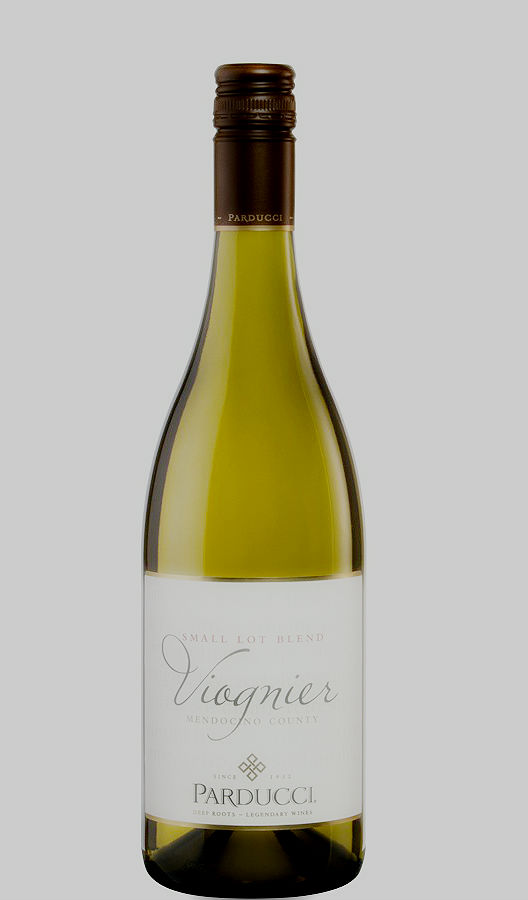
Tomme de Chambrille pairs well with Vioginer.


Monday, December 29, 2014

Tomme de Savoie

Savoie in the Rhone-Alps region of France.

Savoie is a region in the French Alps. Though some of the tallest mountains surround the area, beautiful vineyards rest at the base of these peaks. In addition, Savoie is home to two lakes: Lac du Bourget and Lac d'Aiguebelette. The former is the largest and deepest in all of France, and the latter is the purest, least polluted lake in France. The Isere river makes its way through Savoie, feeding the two lakes. Savoie is famous for its apple and pear orchards, its breathtaking scenery, the beautiful vineyards and the cows that produce milk for some of the most distinctive cheese in the country, including Tomme de Savoie.

Alpine cows sitting in a pasture.

Tomme is really a family of cheeses, all produced in the Alps of France and in some areas of Switzerland. The cheeses tend to have notes of traditional alpine cheese, but Tomme cheeses are on the stronger side. Skimmed raw cow's milk is used to produce these cheeses, so the fat content is low. Despite being lower in fat, they still melt well and feel rich and creamy on the palate. Each Tomme-style cheese will have a slightly different flavor depending on where the cheese is produced and what the cows are eating at the time the milk is gathered to make the cheese. Sometimes the animals feast on winter hay, but other times fresh grass is on the menu.

Of all the Tomme-style cheeses, Tomme de Savoie is the most famous. The semi-soft, pressed cheese is redolent of the stables, and the more the cheese ages, the more it smells like horse manure. Don't be worried, though, this isn't a bad thing. Many cheeses are described as having rather offensive aromas but still taste good, and some find the strange odor appealing. Beneath the dark, brownish-gray rind that's speckled with patches of white, red and yellow mold sits a supple beige interior, one that has holes similar to Swiss cheese, only these are much smaller.

Tomme de Savoie has many small eyes speckled throughout the interior.


Tomme de Savoie has a thick rind.

Tomme de Savoie is aged two to four months. As it ages, the flavor intensifies. It's not quite a stinky cheese, but it can develop some similar flavors, especially close to the rind, which is a little scary looking at a glance. The cheese actually looks like it was plucked from the earth, like some kind of dirt-encrusted root vegetable turned into dairy, and it has big earthy, musty flavors to match. Expect a tangy, pungent flavor to jump out right away, revitalizing your entire being. The saltiness and rustic mushroomy notes emerge only after you begin to chew the cheese. There are slight nutty and citrus flavors hiding in there too, but they may take some time to surface. If you let the cheese age past its prime, it will develop an ammonia flavor that will overpower the nicer qualities of the cheese, but it isn't necessarily bad if you're one who likes that kind of punch on the palate.

Traditional rennet is used to make Tomme de Savoie. With the earthy notes, the cheese goes well in a baked spinach pie. Its strong flavors also stand up to cooked meats, dried meats and sausage, but if you prefer, serve it with grapes and bread. The sweetness of the fruit will counter the pungent flavors of the cheese. This cheese is a mountain staple, so don't be afraid to add it to potato dishes or melt it with other cheeses in pasta dishes.

brochettes-de-tomme-de-savoie
Brochette de Tomme de Savoie (Tomme de Savoie wrapped in beef carpaccio).


Liquor Mart
Liquor Mart in Boulder has an outstanding selection of wines, beer, champagne and more.


Kevin Downs, Assistant wine manager at Liquor Mart in Boulder, Colorado, suggests the following pairings for this cheese:


I love a good challenge, and matching wine aromatics with those of horse manure may not be as difficult as one might imagine. “Barnyard” is actually a positive description for some red wines, inferring an earthy rustic character which I love. 

The earthiness of this cheese and the fact that is rather low in fat actually brings some red wines to mind. We could actually match it with a Savoie red, Domaine Jean Vullien Mondeuse, at $15.99. Mondeuse grapes, grown throughout this region of France are made into a dark colored, aromatic wine with flavors of tart cherries and dark plums with a generous acid level. The earthness and smokiness of Syrah makes this a really good choice as well, working with flavors of the cheese. Chave’s Offerus St Joseph, for $29.99 would be delicious, but a less expensive southern Cotes du Rhone would work well too. Kermit Lynch’s CDR is spectacular with this cheese and costs about $18.99. For value, Chapoutier’s Belleruche is acceptable for $9.99.

 If you want to impress your friends, an ideal wine to accompany this cheese is Alexakis Red, a blend of Kotsifali and Syrah. I love this wine, which I have described as reminding me of a forest floor. It is very rustic and earthy with wonderful fruit….and who would have thought of Greece? 

For whites, a good white Cotes du Rhone would work. These are usually combinations of Roussanne, Marsanne and Viognier and are minerally and mouth filling, and are perfect with this cheese. St Cosme James’ Little Basket Press is awesome at $15.99. Yalumba Estates (Australia) makes a 100% Roussanne Eden Valley for $20.99 that is wonderful. Finally, again turning to an unusual source, Royal Tokaji Dry Furmint from Hungary, with its minerally smoky aromatics and flavors is a great choice at only $12.99. 

Enjoy this wonderful cheese and a good bottle of wine to go with it. Lize and I are looking forward to exploring new cheeses and wines with you all over the next year. Happy New Year!

Vin de Savoie pairs well with Tomme de Savoie.


Tuesday, March 4, 2014

Pawlet Cheese Review

Pawlet, Vermont

Somewhere between Vermont's Champlain Valley and the eastern tip of Washington County, New York lies a 300-acre farm that was the first cheese making co-op in Vermont. The name of this charming place is Consider Bardwell Farm. Founded in 1864 by Consider Stebbins, new hands on deck, Angela Miller, Russell Glover and Chris Gray are bringing the cheese-making business into this century by upgrading techniques and producing quality, hand-made, small-batch cheeses.
Cows in pasture near Consider Bardwell Farm.

While goats are kept on the Consider Bardwell Farm, neighboring farms are hosts to the cows that produce the milk used to make cheeses such as Pawlet, Dorset and Rupert. Rotational grazing on pesticide-free and fertilizer-free grass allows cows to produce rich, sweet milk. Of course, the diet of the dairy cows plays a large role in not only how the end product tastes but how it looks as well. Because these cows are free to graze in lush pastures, the end cheese product is a cheerful yellow instead of an off white like the cheeses made from hay-fed cows. Rest assured that no hormones or antibiotics are added to the whole milk that is used in making the cheeses at the farm, and vegetarians will be happy to know that all the cheeses are made using microbial rennet.

An added note is that the cheeses are aged in caves on the premises.
Pawlet cheese

Some call Pawlet a tomme-style cheese. I can see and taste some of the the similarities, but I have a hard time throwing that label on it. The round shape of the wheel is very tomme like, but the flavor isn't quite that of a classic tomme-style cheese. It's true that there are plenty of exceptions when it comes to tomme, a broad term that usually refers to cheeses lower in fat than most and traditionally made in the Franch and Swiss Alps, so I understand how some people insist on Pawlet being in this category.

Holes made by gas-producing bacteria

The wash rind

My first impression of this cheese is that it's very mild. There's a very faint earthy, barnyard flavor that is apparent mostly in the rind, which is a wash ride, not a more classic tomme-style natural rind. It's not at all overpowering like some rinds can be. Speaking of the rind, it is nice and salty and goes well with the mild cheese inside.

The cheese itself is soft but substantial; it's one you can chew. It makes the perfect sandwich cheese, because of both the texture and its subtle flavor. The beautiful yellow interior has a buttery, mushroomy flavor with mild notes of both cheddar and Swiss. The raw milk from Jersey cows adds just the tiniest bit of tang, but overall, the cheese is extremely mild and nutty. You can almost detect a flavor like that of a generously buttered slice of fresh whole-grain bread. Because of its mildness and consistent, even flavor, Pawlet goes with just about anything and can be baked in entrees or served on a cheese plate with crusty bread.

Try this cheese with a bold Merlot. 

Merlot


Sunday, January 12, 2014

Lou Bergier Review

Piedmont

Though the name sounds French, it's actually an Italian cheese from the Piedmont area. Piedmont is in Northern Italy, bordering both France and Switzerland and not all that far from Grenoble. As you might expect, the region is somewhat mountainous, as it is nestled right up against the Alps on two sides. Long ago, France used to control the Piedmont region, but that changed in 1802 when the Subalpine Republic was created and later annexed by the Italians in place of the Republic of Alba. 


marioegidio6 [320x200]
Egidio and Mario Fiandino

For brothers Egidio and Mario Fiandino, keeping their cheese-making methods as traditional as possible in these modern times is essential for making good cheese. They state:

"We focus on the future without sacrificing the magic of the past. Our philosophy is passion and patience. While the cream is resting to give us a perfect butter “il burro riposino”, and a “Selezione” cheese perfectly aged, we take the opportunity to play a game of cards, allowing plenty of time for our products to develop their unique characteristics. In a world of mass-produced food we are proud to offer a true handcrafted work of art."

Though the cheese-making process at Fattorie Fiandino is steeped in tradition, there are some modern additions to the company such as solar panels installed that generate nearly 1/3 of their power.

Lou Bergier means "Shephard" in Occitan.

Lou Bergier is a creamy and tender medium-hard cheese made with raw cow's milk. Vegetarians will jump for joy when they find out that this charming little cheese is made using the thistle flower as rennet. The ingredients are: raw cow's milk, whole sea salt from Culcasi salt mines (presided over by Slow food), vegetable rennet (Cynara Cardunculus)

People call this product a "tomme-style cheese," but you won't get a strong barnyard bouquet with Lou Bergier. The aroma is delicate, and the flavor is subtle to match. It has a superb mouthfeel, because the cheese is rich but not overly heavy or oily. It comes off as lighter and more refreshing than something like Gruyere.

I ended up calling this a semi-hard cheese. I'm finding out that the lines between soft, semi-soft and hard get blurred easily. Some say that these lines are arbitrary, and I usually call a cheese semi-soft unless it's very obviously hard or soft. I like the distinction of a semi-hard cheese, though, so I think I will start using that term when appropriate. 


Lou Bergier

Take the best mild cheddar you can think of and cross it with a young Brie, and you have Lou Bergier. It reminds me of a sophisticated, more refined mellow cheddar hiding inside a light Brie shawl that has been bruised and battered. Despite the rind looking a little bit disheveled, it's not unpleasant tasting. It goes to show that you never know what beauty hides beneath a homely exterior. The overall flavor is very smooth, but it has sharp and mildly tangy undertones. Unlike some Brie that's beyond a proper serving age, there's not a hint of ammonia or bitterness with the Lou Bergier. The flavor of the cheese itself is even and fresh with hints of citrus and clarified butter, and the thin bloomy rind has a stronger earthy flavor reminiscent of shiitake mushrooms. 

 **********

I found this odd little bit of information when doing some research on Fattorie Fiandino:

Italian history comic book cheese from Fattorie Fiandino


Thursday, January 16, 2014

Isle of Mull Cheddar Review


The town of Tobormory on the Isle of Mull


The Isle of Mull is one of several small (both in population and square miles) islands off the West coast of Scotland. There is a tremendous amount of history on this island which has been inhabited since just after the last ice age. That was a long time ago! The rugged terrain that's a mix of moorland and rolling hills and the climate end up being the perfect environment for making aged cheeses, which is why cheddar cheese is so popular in this area and in Scotland in general. 

Aging Cheeses
The fact that there's very little grass for cows to eat on Mull doesn't deter cheese makers, as the nearby whisky distillery provides plenty of spent grain husks for the cows to savor. This diet is low in carotene and doesn't produce richly-colored milk products, so the cheeses are usually a little anemic looking, not golden or tinged with yellow. 

Isle of Mull Cheddar
Typically the cheeses of Mull are a tad more colorful in the summer months when the cows have better access to grass. 


Not quite as lush as some of the cheese-making towns in the Alps and Pyrenees.

A little bit about the cheese makers...

From Neal's yard Dairy: Jeff and Chris Reade moved from Somerset, where they had been making cheddar, to Scriob Ruadh Farm (pronounced Ski-Brua and meaning Red Furrow) in 1979. At that time, the farm was a shell: the farmhouse had no roof and the first thing they had to do was put a roof over the cowshed (it promptly blew off in a storm). It was 1999 before they had fully roofed the farmhouse as housing their herd and building a dairy took precedence. The Reades milk about 100 cows, mainly Friesian but with some Jersey, Ayrshire and Brown Swiss too.

The Isle of Mull Cheddar is a quiet cheese, but one that still warms the heart, especially after reading the history of the cheese makers. I keep wanting to say it's a sad cheese, but when I say the cheese is sad, I just mean that it's not robust, memorably creamy or outrageously stinky. It makes a statement only in it's subtlety, but in this subtlety, it becomes an intriguing little dairy product. Still, it doesn't scream out in any way or command attention. It makes you go, "Aww." instead of "Oooo!" 

Right away I noticed the cheese's sweet flavor. Toward the edges, the taste changes from mild and milky to something similar to a tomme-style cheese. At the center, it tastes more like a mild but flavorful traditional cheddar. Though the flavor is more subtle than any of the classic stinky cheeses or even most aged cheddar cheeses, there are still profound notes of grass and nuts, specifically Brazil nuts, reminiscent of these other cheeses. There's a nice hint of delicately toasted bread too. It's just missing any powerful tang or zest. 
Isle of Mull Cheddar

I found the texture to be dry and flaky, not creamy. It's somewhat gritty without being unpleasant. Warmed, both the flavors and texture become smoother and more even. 
yamakazi-18yearold-single-malt-whisky2
Single Malt

The Isle of Mull Cheddar is made with unpasteurized cow's milk and standard animal rennet. It's aged 12 to 18 months. This shy cheese pairs well with many wines, but a single malt will elevate it and coax out its better qualities. It's likely that the malt will help people recognize that, in the end, this cheese does deserve attention. 


Jeff and Chris Reade


Wednesday, January 8, 2014

Mons Bethmale Review

Tour de France

Ahhh the Pyrenees. For those of you who watch the Tour de France, this is where you see stunning mountain scenery, incredible athletes giving their all, world-famous bike crashes and maybe this:

Road Block in the Pyrenees
These mountains are also where some of the most distinctive cheeses in the world are made. Some people incorrectly claim that all of the cheeses in this area are made with sheep milk, but some are made with cow, goat or even a mixture of different types of milk. Like the Alps, this region is famous for Tomme or Tome cheese, but you can find blues and wash-rind cheeses ripening in caves all along the Ossau-Iraty appellation of France. In addition to sampling the various cheeses, you can even watch cheese-making demos in some of the fromageries in the area.

Since I already talked a little bit about the affineur, Herve Mons, in the previous post, I will get straight to the cheese review. 

Bethmale

Bethmale is one of those cheeses that will make you think of the country. When my mom and I were in France visiting one of the mountain towns, a lady stepped out of her car, took in a grand breath of air and proclaimed, "Ohh, Ça sent la vache!" Which translates as "Ohh, It smells like cows!" Of course it sounds much nicer in French. She and her companion did happen to be parked right near a cow pasture when this occurred, and yes, the air did smell like a farmyard.

I know not everyone loves the smell of the country, but it's an aroma that nearly everyone can recognize. During the winters in Boulder, we get a stronger, slightly repugnant smell just before it snows when there's a temperature inversion that allows the stench from the slaughter house in Greeley to waft in our general direction. Unlike so many wonderful handcrafted cheeses, that odor is not pleasant.   

It's not so much that Bethmale has a strong bouquet, it's more that the entire experience of eating the cheese transports you to towns in these majestic mountain settings.

Like so many cheeses made in South Western France, Bethmale is made in a traditional way, with raw milk from small local dairies and aged in caves. Don't worry, though, the caves of Herve Mons are more like rooms than actual caves, and they are watched over diligently. This cheese happens to be made with cow's milk.
Herve Mons caves. 

Many people will claim that Bethmale has a mild, nutty and earthy flavors, but I have to say that it's a little bit like licking the ground of a barnyard. I know that SOUNDS bad, but I don't mean this in a bad way. Of course, I have never actually licked the floor of a barnyard; what I mean is that the flavor is not as delicate as something like Le Chartreux, a similar cheese that's much more refined. The Bethmale is stronger, more primitive with hints of bitterness that linger long after the cheese has passed your gullet. I don't want to give the impression that I don't like the cheese, I just prefer Le Chartreux. If nothing more, the cheese has a memorable taste.

I found this bit of information from CheeseNotes.com:

Bethmale cheese dates back to the early 12th century, when Louis VI of France tasted it during a visit to the region. At the time, it was described as ‘the fat cheese of Saint-Girons’, a description that could still apply today since, when cut, the interior paste glows with fat and is distinctive for its horizontal slits.

The fat glistening can be seen the more the cheese is warmed.

Bethmale cheeses glisten as the get warm. 

What I like about this cheese is that it grows on you. The first bite might cause your nostrils to flare and your eyebrows to rise, but take a few more bites to let the milder notes emerge. Let the cheese linger in your mouth. You will like the earthy, nutty, floral and almost spicy bouquet. The rind is salted and washed. Its flavor is strong, so if you haven't tried this cheese, you might want to start with the softer, less pungent interior, though be prepared for at least some pungency.

Half eaten Bethmale that I should have wrapped better.


This cheese can stand up to a full-bodied read wine such as a Malbec or Bordeaux.
This red goes well with Herve Mons Bethmale.