StatCounter

Showing posts with label France. Show all posts

Monday, August 14, 2017

Tomme de Chambrille


Sometimes a cheese is so outstanding, it leaves me temporarily speechless. Such is the case with Tomme de Chambrille. This cheese is one you have to experience and savor. It's only after I have had time to recover from my pleasant cheese-induced stupor that I can finally write about how incredible this goat cheese is. If it were a horse, Tomme de Chambrille would be a Friesian: unique, mesmerizing, and bold but still beautiful looking. Overall, it's incredible. Leave it to the French to create such a masterpiece. Am I biased? A little bit, but those French cheeses sing to my soul.

Tomme de Chambrille hails from the Poitou Charentes region in south-western France. This area sits south of the Loire Valley. It includes the communities of Cognac, Rochefort, Saintes and La Rochelle, to name a few. Some of you might be familiar with one of the more renowned castles in this area, Le Rochefoucauid. Needless to say, this part of France is incredibly beautiful and lush.


French goat cheese
Ash is used on the rind of Tomme de Chambrille. 


One of the many characteristics that sets Tomme de Chambrille apart from other goat cheeses is its slightly bumpy, bloomy, ashed rind. The coatings of goat cheeses in the Loire Valley are notorious for having ash on them, and many cheese makers in the United States and elsewhere also use ash these days. Tomme de Chambrille's coating is dark enough that it makes an impression but not threatening looking to anyone unfamiliar with these kinds of cheeses.

Ash is added to help with the aging process and to attract favorable bacteria that enhances the flavor of the cheese. It looks pretty, elegant even. It's definitely different. Coating cheese in ash also protects the surface and lengthens the aging process, preventing too much mold growth. As the affineur, Herve Mons does an excellent job of aging this cheese, which isn't surprising considering the many wonderful cheeses on which Mons has worked his magic. This particular beauty is aged on straw mats for at least one month.

French goat cheese
Tomme de Chambrille has a beautiful creamline.


The outer appearance aside, what's most intriguing about Tomme de Chambrille are the overall flavor and the texture. Its light, fluffy and pristine white interior will surely grab your attention, and there's a beautiful creamline that runs along the edge of the rind. While the creamline, which forms when bacterial activity of the rind breaks the solid cheese into a liquid, enhances the mushroomy, earthy flavor of the bloomy rind, the inner paste is noticeably tangy, fruity and light.

French goat cheese


This cheese is head and shoulders above most other cheeses in the goat cheese family. The goaty taste, while strong, isn't overwhelming or shocking. All the flavors blend perfectly and evolve on the palate. As the cheese ages, the flavors become more intense and complex. Once you try this exceptional little fromage, you will probably end up dreaming about it and longing for more. What an extraordinary and memorable product. You can find Tomme de Chambrille at Whole Foods Market in Boulder.

Serve Tomme de Chambrille with crackers or on crusty French bread. I believe this cheese can stand alone, but don't be afraid to add it to a cheese platter. Try it with dried or fresh fruits, sliced cucumbers, or roasted nuts. It pairs nicely with sweet or savory jams or preserves as well. Like Bucheron, Tomme de Chambrille can be used in main dishes and salads.

You can't go wrong pairing Tomme de Chambrille with wine, as it's a cheese that will go with many varieties. Some suggestions include Riesling, Gruner Veltliner, Chenin Blanc, Semillion, Viognier, Amarone, Pinot Noir, Syrah, Malmsey, Champagne, Port, Pedor Ximenez, Sauternes or Dulce de Monastrell.
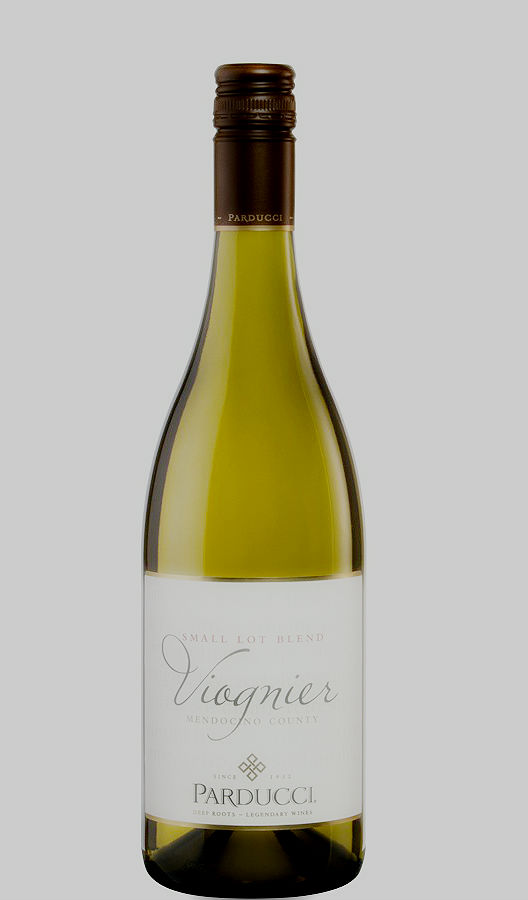
Tomme de Chambrille pairs well with Vioginer.


Sunday, May 14, 2017

Bucheron

Bucheron is a classic and classy goat milk cheese hailing from the Loire Valley. It was the first goat cheese from France to be exported to the United States. The Loire Valley is a lush area in central France, an area that's not lacking in gorgeous vineyards, beautiful gardens, bountiful orchards, working farms and majestic castles. It's no wonder some of the best goat cheeses in the world are made there. These days, however, log-shaped goat cheeses are made in many different countries, including right here in the United States.

France Boucheron cheese
Chenonceau castle in the Loire Valley, France.


If you could take the rind and inner edge of a young Brie and wrap it around a beautiful chevre, the result would be Boucheron. From its subtle, milky aroma to its lovely snow-white interior, this semi-aged goat cheese is one of the more intriguing and elegant versions of chevre available. You won't be overwhelmed by the smell or the taste, both are mild, not pungent in the least. The goaty tang is noticeable but faint, however, it provides more of a bite than cow's milk used in fresh or any other mild cheese. Still, the overall impression is that Bucheron is delicate, light and sophisticated yet curious.


Bucheron cheese review
Bucheron is a pretty goat cheese from France.


As the cheese ages, the flavor intensifies and the off-white creamline around the edge becomes runnier. More of the mushroom and earthy flavors from the rind and inner edge come out, and the tang intensifies. If you're looking to introduce someone to goat cheese for the first time, this would be a good place to start, though a fresh chevre probably wouldn't scare anyone off either. Be careful not to let Bucheron age too long, though, because you will be left with an ammonia emitting creamline that will overpower the soft flavors of the interior.

When it comes to creaminess, there are many different kinds. Boucheron is creamy like a cheesecake. It doesn't exactly melt in your mouth, but it's rich and smooth with just a hint of dryness. It's a wonderful feel in your mouth as the cheese coats your palate. The slightly sweet interior that has faint notes of citrus pairs perfectly with the more savory, somewhat chewy bloomy rind.

A pretty cheese like this looks great on a cheese board with grapes, crackers, Marcona almonds and large Sicilian green olives. This chevre is absolutely perfect on crusty French bread, but it's versatile and can be added to spinach salads, sandwiches, or placed on crostini with herbs, fig jam or a balsamic reduction. It's surprisingly good on burgers or veggie burgers. You can also put this cheese in a baking dish and let it sit in the oven at 350 for about eight minutes before serving it with honey, chutney or fruit jam, and crackers. Bucheron can also stand alone. You can simply eat it by itself and enjoy all the subtle tones that play on your tongue. 


Bucheron France
The creamline near the outer edge is ivory and oozes.


As far as wines, one of the top choices I can suggest is a Sauvignon Blanc. Chenin Blanc, Godello, Sancerre, Vouvray, a nice pale rose, Cabernet Franc, Amarone, Malmsey, any red wine blends such as Menage a Trios, or a Ruby Port that's not overly sweet also go well with Boucheron. Lastly, if you're daring, go ahead and try it with your favorite scotch.  


Sauvignon Blanc chevre cheese
Sauvignon Blanc from the Loire Valley pairs well with Bucheron.

Thursday, May 4, 2017

1924 Bleu

Herve Mons has stepped back into the limelight as the affineur of the stellar 1924 Bleu, a blue cheese that's made with equal parts sheep and cow milk, but the true hero here is Francois Kerautret, the cheese marketer who created this charming treasure. He transitioned into a cheesemaker when he had the idea to take Roquefort back to its roots before it received the first ever appellation d'origine of any cheese in 1925 that required cheesemakers to use only sheep's milk and to make and age Roquefort using specific guidelines. Kerautret wanted to go back to using a mixture of milk instead of purely sheep's milk for his version of blue cheese. After a few years of urging, Kerautret persuaded Mons to work with him on a prototype, and, not long after, 1924 Bleu was born. If Roquefort is the bold king and Bleu D'Auvergne is the calmer prince, then 1924 Bleu is the beautiful and lively duchess in the royal blue cheese family.


1924 Bleu
1924 Bleu is rich and creamy.
1924 Bleu Herve Mons
There are a lot of blue-green veins in this cheese.


Aged in Herve Mons' caves near Roanne, almost 400 miles from Roquefort, 1924 Bleu develops a natural rind that has a nice aroma of the country. The aging process continues when the wheels are sent to the United States, and they end up being about four or five months old once the consumer digs into the wonderful, extra creamy interior. The rind adds to the overall woody, earthy, mushrooomy flavor, but the first thing you will notice is a quick burst of salt and a spicy tang that evens out quickly. Notes of straw and a sweet, nutty taste that pairs well with the traditional mold of blue cheeses follow. The longer the cheese ages, the more hints of ammonia emerge, but even when this little blue is past its prime, it's still tasty. But, oh, that rich creaminess! That's what will stick with you. I do suggest that you eat this while it's younger, but if you're not afraid to take a walk on the wild side, go ahead and let it age.

As I often suggest, a nice crusty French bread goes well with 1924 Bleu. Try it with some wildflower honey or on a spinach salad. You can use it in a stuffed chicken or in stuffed mushroom caps, and it also adds flavor to any cheese dip recipe.

I served this blue with Two Rivers Vintner's Blend, but it's an elegant cheese that will pair well with many wines including Arneis, Muscat, Chardonnay, Riesling, Gamay, Zinfandel, Chenin Blanc, Sauternes or even a sherry or, for you beer fans, a porter or stout.


Vintner's Blend
Two Rivers Vintner's Blend pairs well with this cheese.

Tuesday, March 24, 2015

Field Trip to Longmont's Cheese Importers

The Cheese Importers in Longmont, Colorado.


My mom and I took a trip to Longmont where we visited the renowned cheese shop and bistro known as Cheese Importers. We decided to have lunch at the bistro before touring the extra large walk-in refrigerator where all the cheeses and pates are stored.

I felt let down when I discovered that the restaurant's online menu had changed, and they no longer offer a French cheese plate. Instead, all the cheese plates contain only Italian cheeses. I ended up putting my biases aside and tried what they had to offer, the Italian cheese plate, a salad and a glass of Pinot noir. My mom ordered the soup of the day and a pain au chocolate. We shared the basket of bread, the wine and the cheeses. My disappointment soon faded, not just because the wine gave me a rush of comfort and warmth. I was actually pleasantly surprised by how nice the cheeses were.

A pretty cheese plate served with fresh fruit.


Verde Capra
The first cheese I sampled was the Verde Capra. This one was calling my name right away. It had the air of a stinky cheese, but there were some nice blue veins running through it. This interesting cheese comes from the Lombardy region. It's classified as a blue cheese, but it's one of the few that's made entirely with pasteurized goat's milk. "Verde Capra" translates as "Green Goat". Reminiscent of Tallegio, it's tangy and pungent without being overwhelming. The texture is moist and creamy, perfect for any cheese plate. Slices of crusty baguette were the perfect accompaniment, and I loved how the Pino noir I ordered paired with it.


Verde Capra is a goat's milk blue cheese.

Castelrosso
This pasteurized cow's milk cheese from the Piedmont region surprised me. It tastes almost like a very, very mild goat cheese without the intense tangy notes. The cheese is aged 4-6 months, giving it a flaky, dry texture that verges on gritty the more it ages, but there's enough moisture retained to keep a lovely creamy and milky consistency. The rind is intensely earthy, and the ivory interior is filled with notes of citrus and cream with just a tiny little nip of tang and salt. This cheese pairs wonderfully with berries and fruit. As mild as this cheese is, it lingered on my brain more than the others. I want to go back to this one and eat a large chunk while I imagine myself on a romantic picnic on a beautiful spring day.

Castelrosso is a lovely cow's milk cheese that's milk and milky.

Cacio de Roma
The last cheese on the plate was nothing extraordinary, but I say this only because I was so happy with the other two. Cacio de Roma is a nice cheese that pairs well with many foods and wines. This is a pasteurized sheep's milk cheese that has flavors and aromas similar to some alpine cheeses. It's smooth and even with a bit of a salty bite to it. I found it best paired with other foods rather than consumed by itself. On my salad, for example, it was very good, perfect, in fact. The flavors are light with some grass and straw notes shining through. Overall, it's a simple cheese that's not overly memorable, but it's one that will do well for snacking and in cooking, especially as a topping for pizza.

Cacio de Roma is a good snacking cheese that can be used in cooking.

Once my mom and I finished our meal, we went to explore the shop with its many imports and also spent time in the refrigerated section with its many cheeses. I could have spent days in the shop looking at all the imported goods from French soaps and perfumes to Italian pastas and vinegar to Swiss chocolates and candies. Of course, I couldn't pass up a chocolate almond bar sitting there waiting for me to pass by.

The cheeses were less exciting. I helped my mom put on one of the big coats for customers hanging by the door, and off we went into the cold to look at shelves full of cheeses, olives, pate, butter and cheese spreads. The French section looked a little bit sparse. There were no big stinky cheeses, no Roquefort, and I didn't see an abundance of the small, artisanal cheeses I love so much. I did, however, find another Italian treasure that I am looking forward to trying. As the goosebumps on my bare legs stood up hard, and I got to the point where I knew I needed to get to warmer places, I decided to make one more quick round. My mom and I had already spent quite a bit of time wandering around without finding any dairy products that looked outrageous, but right before we decided to head for the cashier with our array of goodies, an interesting little cheese stuffed into a plastic container caught my eye. I knew this was the one I had to try. Jackpot!

In the end we purchased some country pate, chocolates, a pastry, the Italian cheese and a container of green olives.

Keep checking back for the details and review on the Italian cheese. It might take me a few weeks, because I have a few other cheeses already lined up to review, but I will eventually get to it.


Monday, January 26, 2015

Epoisses

Roll out the red carpet; it's time to meet the king of cheeses. Sorry Roquefort and Brie, but the crown goes to Epoisses, a cheese so sublime, it might just take you to the peak of pleasure.

Chateau D'Epoisses
Epoisses originated in the village of Epoisses in Burgundy. It is said that the magnificent dairy product was first made by the monks at the Abbaye de Citeaux or one of the sister Abbayes in the sixteenth century. Eventually, when the community at the Abbaye Citeaux left, local farmers in the area began making Epoisses. Today the creamerie at the Abbaye de Citeaux is back up and running, making cheese with the eponymous name, but it's one that's rare and not as majestic as Epoisses.

Production of the once popular Epoisses dwindled during and after the Second World War, but in 1959, Robert and Simone Berthaut, two farmers in the region, decided to jump into the cheese-making business and focus on making this extraordinary cheese. Since then, artisanal fromageries in and near the area produce it, but under AOC regulation, only cheeses made in specific communities in the Cote-D'Or region in Burgundy can claim the true title of Epoisses.

During his time, it was reported that Napoleon was fond of Epoisses, as was the famous epicurean Jean Anthelme Brillat-Savarin years later. In fact, it was Brillat-Savarin who dubbed this cheese the king of cheeses, with good reason. It's a cheese that will make you swoon.

Napoleon was a big fan of Epoisses.

Sometimes the anticipation of eating something is at least as good as the moment the luscious food touches your tongue. Such is the case with Epoisses, a creamy, cow's milk creation that could easily pass as food for the Gods. There are both pasteurized and unpasteurized versions, but most of the imported kinds are pasteurized. The milk used is generally from cows who have grazed on the lush grasses and herbs in the area.


Epoisses comes in a wooden container.

Inside the elegant wooden box that protects the delicate little disk of fromage sits a slightly golden and orange-red, brandy wash-rind or smear-ripened cheese that's classified as stinky but is more on the verge of alarming any nostrils than actually offending them. Just looking at the beautifully formed wheel makes your mouth water. The rind glistens just a little bit, inviting you to poke, sniff and examine it more closely.

The rind is wrinkly and somewhat smelly, but the cheese inside is divine.


To say Epoisses is a soft cheese is an understatement. The smooth, velvety paste has just a hint of firmness to match its more textured rind, but it melts beautifully in your mouth, flooding your taste buds with a mild, nutty and downright decadent milky flavor. If you close your eyes while sampling this cheese, you might imagine hints of bacon and blanched almonds. There's also an undeniable light sweetness that emerges only briefly and quickly dissipates. As the cheese ages, the aroma and flavor intensify, moving the Epoisses more into the stinky cheese category. The pungent flavor is subtle but not completely lacking. It doesn't match the cheese's more powerful aroma.


Does this make your mouth water or what?

Serve Epoisses on crackers, raisin bread, crusty French bread or on a spoon straight out of the container. Try cooking Epoisses in a ham and apple tart or adding it to your favorite mac and cheese recipe. You can't really go wrong no matter how you serve this outstanding gem.

Epoisses can be hard to find. Some cheese shops only carry this luxury item during the holidays, but a few places have it in stock more consistently. I lucked out this December when I stumbled upon the very last wheel of Epoisses in the case at Whole Foods. It seemed like there was a single stream of light shining down on it at the time. The cheese was definitely calling my name. I quickly grabbed it and placed it in my shopping basket. Sometimes it's the little pleasures that bring the biggest smiles.

*Please note that this is not the Epoisses by Herve Mons


Liquor Mart
Liquor Mart in Boulder has an outstanding selection of wines, beer, champagne and more.


Kevin Downs, Assistant wine manager at Liquor Mart in Boulder, Colorado, suggests the following pairings for this cheese:

Lize came up with a cheese that is almost impossible to match with wine this time! Most would suggest drinking it with a red Burgundy, especially an old one, but I find that a cheese like this totally eviscerates that wine. If I was to do a red, I’d find as earthy and funky a wine as I could find. Santadi’s Grotto Rosso ($14.99) from Sardinia would be a reasonable choice as would Alexakis Kotsifali-Syrah from Greece $14.99). Some suggest an old Chateauneuf du Pape. 

Whites usually work better with all cheeses, but here it’s a tough call as well. An Alsatian Gewurztraminer will work, such as Trimbach or Ziegler ($13.99) or perhaps an off dry Riesling such as Kung Fu Girl ($11.99) or Monchoff Estate ($14.99). 

Sauternes from France or another botrycised dessert wine such as Tokaji from Hungary work the best…the sweetness and earthy acidity working quite well with the powerful flavors of this cheese. This is actually one cheese that I might suggest an alternative drink. A strong Belgian ale or a big IPA beer works very well with this cheese. This is a wonderful cheese and is meant to be experienced regardless of what you have with it. Enjoy!


Tokaji from Hungary pairs well with Epoisses.

Monday, December 29, 2014

Tomme de Savoie

Savoie in the Rhone-Alps region of France.

Savoie is a region in the French Alps. Though some of the tallest mountains surround the area, beautiful vineyards rest at the base of these peaks. In addition, Savoie is home to two lakes: Lac du Bourget and Lac d'Aiguebelette. The former is the largest and deepest in all of France, and the latter is the purest, least polluted lake in France. The Isere river makes its way through Savoie, feeding the two lakes. Savoie is famous for its apple and pear orchards, its breathtaking scenery, the beautiful vineyards and the cows that produce milk for some of the most distinctive cheese in the country, including Tomme de Savoie.

Alpine cows sitting in a pasture.

Tomme is really a family of cheeses, all produced in the Alps of France and in some areas of Switzerland. The cheeses tend to have notes of traditional alpine cheese, but Tomme cheeses are on the stronger side. Skimmed raw cow's milk is used to produce these cheeses, so the fat content is low. Despite being lower in fat, they still melt well and feel rich and creamy on the palate. Each Tomme-style cheese will have a slightly different flavor depending on where the cheese is produced and what the cows are eating at the time the milk is gathered to make the cheese. Sometimes the animals feast on winter hay, but other times fresh grass is on the menu.

Of all the Tomme-style cheeses, Tomme de Savoie is the most famous. The semi-soft, pressed cheese is redolent of the stables, and the more the cheese ages, the more it smells like horse manure. Don't be worried, though, this isn't a bad thing. Many cheeses are described as having rather offensive aromas but still taste good, and some find the strange odor appealing. Beneath the dark, brownish-gray rind that's speckled with patches of white, red and yellow mold sits a supple beige interior, one that has holes similar to Swiss cheese, only these are much smaller.

Tomme de Savoie has many small eyes speckled throughout the interior.


Tomme de Savoie has a thick rind.

Tomme de Savoie is aged two to four months. As it ages, the flavor intensifies. It's not quite a stinky cheese, but it can develop some similar flavors, especially close to the rind, which is a little scary looking at a glance. The cheese actually looks like it was plucked from the earth, like some kind of dirt-encrusted root vegetable turned into dairy, and it has big earthy, musty flavors to match. Expect a tangy, pungent flavor to jump out right away, revitalizing your entire being. The saltiness and rustic mushroomy notes emerge only after you begin to chew the cheese. There are slight nutty and citrus flavors hiding in there too, but they may take some time to surface. If you let the cheese age past its prime, it will develop an ammonia flavor that will overpower the nicer qualities of the cheese, but it isn't necessarily bad if you're one who likes that kind of punch on the palate.

Traditional rennet is used to make Tomme de Savoie. With the earthy notes, the cheese goes well in a baked spinach pie. Its strong flavors also stand up to cooked meats, dried meats and sausage, but if you prefer, serve it with grapes and bread. The sweetness of the fruit will counter the pungent flavors of the cheese. This cheese is a mountain staple, so don't be afraid to add it to potato dishes or melt it with other cheeses in pasta dishes.

brochettes-de-tomme-de-savoie
Brochette de Tomme de Savoie (Tomme de Savoie wrapped in beef carpaccio).


Liquor Mart
Liquor Mart in Boulder has an outstanding selection of wines, beer, champagne and more.


Kevin Downs, Assistant wine manager at Liquor Mart in Boulder, Colorado, suggests the following pairings for this cheese:


I love a good challenge, and matching wine aromatics with those of horse manure may not be as difficult as one might imagine. “Barnyard” is actually a positive description for some red wines, inferring an earthy rustic character which I love. 

The earthiness of this cheese and the fact that is rather low in fat actually brings some red wines to mind. We could actually match it with a Savoie red, Domaine Jean Vullien Mondeuse, at $15.99. Mondeuse grapes, grown throughout this region of France are made into a dark colored, aromatic wine with flavors of tart cherries and dark plums with a generous acid level. The earthness and smokiness of Syrah makes this a really good choice as well, working with flavors of the cheese. Chave’s Offerus St Joseph, for $29.99 would be delicious, but a less expensive southern Cotes du Rhone would work well too. Kermit Lynch’s CDR is spectacular with this cheese and costs about $18.99. For value, Chapoutier’s Belleruche is acceptable for $9.99.

 If you want to impress your friends, an ideal wine to accompany this cheese is Alexakis Red, a blend of Kotsifali and Syrah. I love this wine, which I have described as reminding me of a forest floor. It is very rustic and earthy with wonderful fruit….and who would have thought of Greece? 

For whites, a good white Cotes du Rhone would work. These are usually combinations of Roussanne, Marsanne and Viognier and are minerally and mouth filling, and are perfect with this cheese. St Cosme James’ Little Basket Press is awesome at $15.99. Yalumba Estates (Australia) makes a 100% Roussanne Eden Valley for $20.99 that is wonderful. Finally, again turning to an unusual source, Royal Tokaji Dry Furmint from Hungary, with its minerally smoky aromatics and flavors is a great choice at only $12.99. 

Enjoy this wonderful cheese and a good bottle of wine to go with it. Lize and I are looking forward to exploring new cheeses and wines with you all over the next year. Happy New Year!

Vin de Savoie pairs well with Tomme de Savoie.


Monday, November 10, 2014

Pave du Nord

Cap Gris Nez: The town of Calais is near Cap Gris Nez cape in the Pas-de-Calais region.
Calais is a town and ferry port in northern France. It has a long and variable history with ownership changing hands many times before finally ending up in the hands of the French. Due to its location, it's no surprise that it was once a territorial possession of England. It is said that on a clear day, one can even see Dover from Calais, and the nicely positioned plot of land served as a major trading center between the two countries. Today, the Chunnel Tunnel lands right near Calais on the French side. Long before Wold war II, Calais was also briefly in Spain's possession before being handed over to the French again. During the war, the little jewel of a city was nearly destroyed when German troops invaded and attempted to use the prime location to attack England.

Being so close to England, it makes sense that some of the more well-known cheeses in and around the area are reminiscent of cheddar cheese. Like the region it comes from, Pave du Nord is a complicated and hard to describe cheese. Pave du Nord gets its name, because the cheese is shaped like the classic French cobblestones, Pave. It seems to mimic the rugged land it hails from in terms of its appearance and texture. Keep in mind that cheeses made in the far northern regions of France are not made from milk coming from the Normandy cows that feast on lush grasses. It's a little colder and not as comfortable for dairy animals up north.

French cobblestones.

Pave du Nord may be France's answer to cheddar cheese, but it's not quite the same. The French version is milder, smoother, a tad more curious and much harder and drier than most cheddar cheeses. The cheese is hard to cut, so when I say hard, I don't just mean it's in the hard cheese category; it's also literally hard. It's startlingly orange, like normal cheddar went tanning in Jersey. That's due to the added annatto, a natural coloring derived from achiote seeds. I believe the annatto is what creates some of the very faint spicy, floral and savory notes in the cheese as well. 

Pave du Nord is bright orange.
The rind is super tough and probably best if it's not eaten, even though the flavor is earthy. Not to gross anyone out, but there are microscopic cheese mites that are intentionally introduced to the rind. These critters burrow into the rind and supposedly give it flavor. People use the rind in cooking, but it's not the best eating rind. If you do eat it, you might want to scrape off the outermost part, unless you are one of those adventurous eaters or are training for a spot on Fear Factor. Actually, since you can't actually see the mites, approaching the rind isn't too scary. Just don't think about it too deeply. 

If you are underwhelmed with the first bite, wait and let the flavors develop on your palette. It's not a shockingly flavorful cheese, but Pave du Nord has a nice milky taste with slight notes of raw hazelnuts. There's a slight sweetness to it. If you concentrate, you can detect a very light creamy caramel taste. Something about it suggests the slightest hint of something that resembles Parmesan too, but it's closer to cheddar than any Italian cheeses. This one isn't as zesty and doesn't crumble either. You could think of it as a wild country cheddar going off to finishing school and coming back more refined, sophisticated and tame.   


Pave du Nord cheese.

This is a pressed raw milk cheese, but it's not overly sharp or tangy. There's a tenderness about it, despite being on the rustic-looking side. People compare it to Mimolette, which is richer and more complex. Pave du Nord is more like a younger, less potent version of the Mimolette cheese. 

People say Pave du Nord is a good melting cheese, but it doesn't really melt all that well on its own. It's too hard for that. Unlike a true cheddar, this cheese isn't going to get all oooey gooey when it's faced with heat. Instead, it will end up in a contained, hard clump. It's like trying to melt an aged Manchego, about the furthest thing from melting Mozzarella. It's better shaved on salads, grated with other cheeses to enrich the flavors or served as a snacking cheese. It works well in dishes like mac and cheese or potatoes au gratin that have added milk or cream. If you serve it on crusty bread, consider adding a pat of butter to counter the dry and salty characteristics of this cheese.


Use Pave du Nord in your potatoes au gratin recipe.


Liquor Mart
Liquor Mart in Boulder has an outstanding selection of wines, beer, champagne and more.


Kevin Downs, Assistant wine manager at Liquor Mart in Boulder, Colorado, suggests the following pairings for this cheese:


If one is going to properly match this cheese with wine, it is probably best to not eat the rind as it is extremely difficult to find a wine that goes well with cheese mites.

Cheddar and cheddar like cheeses go very well with red wines. Well aged stronger versions go well with bigger tannic reds like a tannic mountain Cabernet or a Barolo, and a classic is Port with Stilton. However, this cheese is more subtle, so we need wines that are less overpowering.  More fruity, lighter Cabernets would work here, such as those from Chile, like Mont Gras or Casa Lapostolle, both around $12. One of my first choices would be a Cabernet Franc from the Loire (Coincidently not too far from Calais) such as Chais St Laurent Bourgueil ($12.99) or  Domaine Filliatreau Saumur ($15.99). Both of these are medium body with just the right amount of fruit and acidity to balance the mild nuttiness and earthiness of the cheese. The other great choice here would be a Langhe Nebbiolo. This beautiful medium bodied wine has wonderful red fruit and just the right amount of tannin to work perfectly and not overpower like their cousins Barolos or Barbarescos. Rivetto makes a good one at $17.99, and I love Eugenio Bocchino’s Roccabella at $20.99.

If you have to do white, do a crisp flavorful New Zealand Sauvignon Blanc (Ana is my new favorite at $11.99), and bubbles work too. Whatever wine you choose, enjoy this wonderful cheese from the north of France. Cheers!


Eugenio Bocchino Roccabella pairs well with Pave du Nord.


Sunday, January 26, 2014

Roquefort Review


Roquefort Cheese

Roquefort is is one of three French cheeses in the running to be crowned the ultimate king of the cheeses, Brie and Epoisse being the other two. Brie, the creamy white-rind cheese, and Epoisse, the stinky but lovable wash-rind cheese, were adored by Charlemagne and Napoleon respectively, but don’t quite have the history or reputation that Roquefort has. Revered by royalty and rebels alike, Roquefort stands out among all cheeses for its distinctive look, taste and aroma. Diderot and Henry Miller even made comments about this cheese, the former calling it the finest cheese in Europe and the latter claiming that "To eat this cheese one must have genius." (By the way, Charlemagne also loved Roquefort. Which cheese he preferred, Brie or Roquefort, isn't clear.) 


Roquefort, France


I can't mention Roquefort without bringing up the legend of how the cheese was first made. The story, whether true or not, is not unlike a fairy tale. Once upon a time, a young sheep-herder eating his lunch of bread and sheep's-milk cheese became distracted by a lovely young lady. He placed his lunch in one of the nearby caves and ran to meet the young lass. Apparently they hit it off, because the boy didn't return for several months. When he did, the bread from his lunch had turned moldy and had transformed the cheese into what would later become one of the most renowned cheeses in the world. This veiny blue-green mold in white or yellow cheese is what gives the blues their distinctive flavor and color.

Of course, leaving rye bread out to rot isn't a good way to consistently create the species of mold, Penicillium roqueforti, that goes into Roquefort. In fact, in uncontrolled environments, attempting to get this kind of mold can be dangerous -- the wrong strains can cause hallucinations or worse.


No matter how it was invented, the cheese unquestionably dates back remarkably far, some say as far back as 79 CE. By 1411, Charles IV made a stand and granted a monopoly to the people of Roquefort-Sur-Soulzon, a small town in southern France, ensuring that the ripening of the cheese could only take place there. In addition to the cheese ripening throughout Roquefort-Sur-Soulzon, all Roquefort cheeses are made with milk from the Lacaune “brebis” or ewes that live near Lacaune, a rugged town in the Midi-Pyrenees region.
Lacaune sheep grazing in France.
Today, fewer than 10 companies make Roquefort cheese, and each is labeled under Contrôlée or AOC guidelines that protect the cheese-making process, the ingredients and the origin of a product. Look for a red sheep or any label that specifically states Appellation D’Origine Protegee or Garanti D’Origine et De Qualite. Some of the more renowned companies include Societe, Papillon and Le Vieux Berger. 

Gabriel Coulet, though not the best-known of the Roquefort companies, is a family-run business that has been in operation since 1872. The operation started when Gabriel Coulet had plans to dig a cellar in his back yard to age a few bottles of wine. Shortly after he began digging, he stumbled upon a fleurine, a type of natural fault that runs through the Combalou mountain. It was at that moment that he seized an opportunity to turn his small cellar into a more substantial one for aging cheese.
Aging Roquefort.
 The reason Roquefort cheese ages so well in these natural caves is that the faults blow air either into or out of the caves as the atmospheric pressure changes, resulting in the perfect environment in terms of humidity and temperature. Most Roquefort cheeses are aged three to 15 months.
Roquefort on display.

If you haven't tried Roquefort, hold on to your chapeau. This cheese will wake you up and call all your senses to attention with the first whiff of its fragrant, strong aroma. Don't worry -- the odor it emits is not like the wash-rind stinky cheeses that most people either love or hate. This is a potent, slightly sour but pleasant smell. 

Sampling the cheese.
 
The cheese itself is rich and creamy with big salty, sharp, pungent and tangy flavors. This is a blue cheese like no other, and there's a reason why it's the most popular of all the blues. Stilton, Bleu D’Auvergne, Gorgonzola and Cabrales all have their strong points, but Roquefort stands out among them as a true leader. Some describe the French cheese as crumbly, which is only partly accurate. The white edges can sometimes have a drier texture that do crumble, but this isn't a hard cheese and doesn't have the characteristics of one. Both the outer edges and the veins of blue-green mold can have something of a grainy texture, but don't be concerned, as the cheese melts quickly and evenly on the tongue. The reality it that the interior is silky-smooth, especially toward the center.

Roquefort goes with many foods and drinks. Toss it on salad, drizzle it with honey, serve it with fruit, cook it in tarts, or serve it plain on a crusty baguette. No matter how you serve it, you can't go wrong.

Rose goes well with Roquefort.
The bold flavor of Roquefort can tolerate a full-bodied red wine, but try pairing the cheese with a rose. You won't be disappointed.

Wednesday, January 8, 2014

Mons Bethmale Review

Tour de France

Ahhh the Pyrenees. For those of you who watch the Tour de France, this is where you see stunning mountain scenery, incredible athletes giving their all, world-famous bike crashes and maybe this:

Road Block in the Pyrenees
These mountains are also where some of the most distinctive cheeses in the world are made. Some people incorrectly claim that all of the cheeses in this area are made with sheep milk, but some are made with cow, goat or even a mixture of different types of milk. Like the Alps, this region is famous for Tomme or Tome cheese, but you can find blues and wash-rind cheeses ripening in caves all along the Ossau-Iraty appellation of France. In addition to sampling the various cheeses, you can even watch cheese-making demos in some of the fromageries in the area.

Since I already talked a little bit about the affineur, Herve Mons, in the previous post, I will get straight to the cheese review. 

Bethmale

Bethmale is one of those cheeses that will make you think of the country. When my mom and I were in France visiting one of the mountain towns, a lady stepped out of her car, took in a grand breath of air and proclaimed, "Ohh, Ça sent la vache!" Which translates as "Ohh, It smells like cows!" Of course it sounds much nicer in French. She and her companion did happen to be parked right near a cow pasture when this occurred, and yes, the air did smell like a farmyard.

I know not everyone loves the smell of the country, but it's an aroma that nearly everyone can recognize. During the winters in Boulder, we get a stronger, slightly repugnant smell just before it snows when there's a temperature inversion that allows the stench from the slaughter house in Greeley to waft in our general direction. Unlike so many wonderful handcrafted cheeses, that odor is not pleasant.   

It's not so much that Bethmale has a strong bouquet, it's more that the entire experience of eating the cheese transports you to towns in these majestic mountain settings.

Like so many cheeses made in South Western France, Bethmale is made in a traditional way, with raw milk from small local dairies and aged in caves. Don't worry, though, the caves of Herve Mons are more like rooms than actual caves, and they are watched over diligently. This cheese happens to be made with cow's milk.
Herve Mons caves. 

Many people will claim that Bethmale has a mild, nutty and earthy flavors, but I have to say that it's a little bit like licking the ground of a barnyard. I know that SOUNDS bad, but I don't mean this in a bad way. Of course, I have never actually licked the floor of a barnyard; what I mean is that the flavor is not as delicate as something like Le Chartreux, a similar cheese that's much more refined. The Bethmale is stronger, more primitive with hints of bitterness that linger long after the cheese has passed your gullet. I don't want to give the impression that I don't like the cheese, I just prefer Le Chartreux. If nothing more, the cheese has a memorable taste.

I found this bit of information from CheeseNotes.com:

Bethmale cheese dates back to the early 12th century, when Louis VI of France tasted it during a visit to the region. At the time, it was described as ‘the fat cheese of Saint-Girons’, a description that could still apply today since, when cut, the interior paste glows with fat and is distinctive for its horizontal slits.

The fat glistening can be seen the more the cheese is warmed.

Bethmale cheeses glisten as the get warm. 

What I like about this cheese is that it grows on you. The first bite might cause your nostrils to flare and your eyebrows to rise, but take a few more bites to let the milder notes emerge. Let the cheese linger in your mouth. You will like the earthy, nutty, floral and almost spicy bouquet. The rind is salted and washed. Its flavor is strong, so if you haven't tried this cheese, you might want to start with the softer, less pungent interior, though be prepared for at least some pungency.

Half eaten Bethmale that I should have wrapped better.


This cheese can stand up to a full-bodied read wine such as a Malbec or Bordeaux.
This red goes well with Herve Mons Bethmale.