StatCounter

Thursday, September 25, 2014

Oh My Stinky Cheeses - Ardrahan

They make my eyes weep and my nose crinkle, but oh how I love cheeses that emit funky aromas.

Smelling cheese.

Prepare your olfactory receptors for Ardrahan, because the odor is bound to cause some serious activity in your nose. Some claim the odor of stinky cheese is like rotten mushrooms. Others say it's like dirty socks, farts, bellybutton lint, a barnyard floor, road kill, lady parts or a man's shirt soaked in sweat and left sitting in a wad for three days. No matter how you describe it, the smell is distinctive and potent, and that of Ardrahan is one of the stronger aromas in the stinky cheese world.

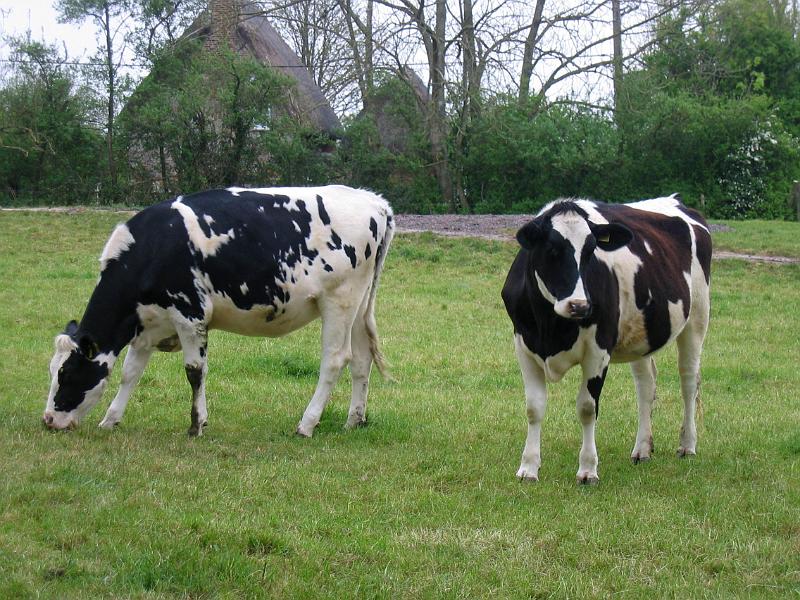
Ardrahan is made by the Burns family on their farm in County Cork, Ireland. The larger area of County Cork includes beautiful coastlines, mountainous regions and rolling pastures. Though the cheese was first made in the 80s, the Burns family has been making cheeses for generations. They use milk from their herd of pedigree Friesian cows.


Cork, Ireland
Friesian Cows

I feel a little bit dirty when I eat a cheese like this, like I shouldn't be doing it, but it's too tempting not to. Maybe I shouldn't like it, but I do. Who cares if people look at me funny when I admit this?  It's so good, but it somehow feels like it should be so bad! And though the smell is not what I call pleasant, I can't resist going back to stick my nose inside the wrapper. Which reminds me, be prepared for the entire refrigerator to be bathed in the aroma when storing this cheese. It's not easily contained.

Just like after eating super spicy foods, sitting in the afterglow of a stinky cheese repas is somewhat euphoric, perhaps similar to what a cat experiences after indulging in catnip.

Ardrahan cheese comes in wheels.

Ardrahan is a gritty little cheese. In the same way a young whisky will put hair on your chest, this cheese will make you stand up and pound your chest. In other words, keeping with the liquor analogy, it is not a cognac. What I mean to say is that it's not Epoisses. You won't find something ultra mild and nutty hiding inside the brine-washed, moldy rind. On the other hand, it has what seem like supernatural qualities, and a few eyebrows will be raised when the aroma wafts through the room.

As far as stinky cheeses go, this one is on the harsh side. Even when it's not overly mature, a faint ammonia flavor can be detected. Some cringe at this, but I love it. It's pungent, strong and flavorful with a big earthy taste. You can imagine yourself in the midst of a farmyard when you eat Ardrahan. Yes, there are notes of nuts, and compared to the odor, the flavor is mild. Still, this cheese isn't for the meek. Those who are regular connoisseurs and appreciate a cheese with a strong personality will go bonkers over this one.

I detected a hint of bitterness that wasn't at all unpleasant, but, like with coffee or chocolate, some people don't like more complex flavors in their cheeses. The tang that catches in the back of the throat lingers long after the last bite, making this a cheese to remember.


Ardrahan cheese has a meaty texture but feels creamy in your mouth.

The texture isn't exactly delicate either. Underneath the thin, slightly sandy, sticky, beautiful golden-orange edible rind sits a chewy, slightly sticky interior, one that feels meaty yet smooth in your mouth. People claim it's chalky, but don't let that worry you. It's more that it doesn't have the extra oily texture that some semi-soft cheeses do. It has a drier finish is all, but it's still creamy. Though this semi-soft beauty isn't considered a true melting cheese, it can be used in cooking, as long as you are OK with the strong flavor. Of course, a cheese like this on a fat piece of toasted baguette is my idea of heaven. And vegetarians rejoice, because this one is made with vegetarian rennet.

Pair Ardrahan with a pinot noir. Some suggest a Riesling or a Chianti, but I prefer something bold and fruity without excess sweetness for a cheese this strong.

Pinot noir goes well with Ardrahan.

Monday, September 15, 2014

Quadrello Di Buffala

Lombardy, the lakes region of Italy. 
I seem to be into Italian cheeses lately. Actually, I forced myself to try a few, because I noticed I needed more variety in my reviews. It was nice to discover that not all Italian cheeses are designed to sit on top of a pasta meal. There are quite a few that stand on their own as snacking cheeses or can be served on sandwiches or mixed into other main dishes.

Quadrello Di Buffala is made in the Lombardy region of northern Italy. Milan is the capitol city of this region. In the northern part sit the alpine foothills. The glaciers in the area provide water to the many lakes in this zone. To the south of the mountains are rolling hills and lovely pastures. Unlike most areas of Italy where pasta rules, rice is popular here. The regional cheeses include Taleggio, Robiola, Gorgonzola, Bernado, Branzi, Grana Padano and Quadrello Di Buffala, to name a few. Many of the cheeses in area are made with a wash rind but fall short of true stinky cheeses.

In most reviews, Quadrello Di Buffala is compared to Taleggio. OK, FINE! It is reminiscent of Taleggio and other cheeses from the Lombardy region, but Taleggio isn't the first cheese that popped into my head when I tasted this. I'm not sure why I feel the need to say it's different, but I want to put it in an entirely separate category, even though it really does have a lot of similarities, not just the same recipe. The main difference is that the Quadrello Di Buffala is made with water buffalo milk, not cow milk, but the flavor and aroma are also more refined and sophisticated. Taleggio is a bolder, stinkier cheese, while Quadrello Di Buffala is far more delicate. It's a little bit like a rustic young brie that's more firm than soft crossed with a low-moisture mozzarella, only this cheese is more flavorful. Unlike Brie, the rind is a wash rind, not a bloomy rind, and the flavor of the buffalo milk cheese is grassier.

Water buffalo doing their thing in a pasture. 

The cheese has a rustic look with a rind that's far from smooth. Because the cheese is aged on straw mats, flecks of white mold speckle the uneven surface. From the rind alone, the smell of earth, mushrooms, must and very, very faint ammonia rises to the nostrils. Never fear if you're not into bold cheeses, because what's inside is ultra mild in comparison. The not so refined rind that's chewy and has a bite to it is hiding something beautiful inside.


Quadrello Di Buffala's rind is uneven with flecks of mold.

With the first bite, I detected some very mild sour notes that were pleasant and made the cheese more interesting, less one dimensional. There are also hints of a brie-like flavor, earthy and mushroomy.  Mostly, though, the cheese is wonderfully mild and nutty. I had this image of chewing a mouthful of blanched almonds on a spring day when I swallowed my first bite of this fromaggio. To a sensitive palate, there are elements of a goat cheese but without the strong tang. This isn't a pungent cheese. It's even and balanced, very smooth and mellow.


The interior is mild and nutty.

The slightly sticky and elastic texture seem contrary to the creaminess of the cheese once it's in your mouth. It's smooth without being overly soft. The water buffalo milk makes this cheese high in protein, and the fat carries the flavor well. Overall, it's just a wonderful, mild but intriguing little cheese.


Try Quadrello Di Buffala with a Rosso Cellatica Superiore Old Attico - Milesi, a Malbec or any other lively, fruity wine, either white or red.

Thursday, September 11, 2014

Sottocenere

Scttocenere is made in the Veneto region of Italy. This is a beautiful area consisting of contrasting geography with mountains, valleys, coast lines, pastures and vineyards. Venice is the largest city in the region, and there are close to five million people living in the approximately five-square-mile expanse. This northeastern part of Italy is home to many cheeses, the most famous being Asiago.


The Veneto region in Italy.

Move over Asiago, because this region is also home to the notable Sottocenere. Made with traditional rennet, Sottocenere is one of the few raw milk cheeses from Italy that's not associated primarily with cooking. In other words, it's a cheese that can be and often is eaten as a snacking cheese or as is, not grated on pasta dishes, though the truffle flavor lends itself well to cooking too. Some Sottoceneres are made with pasteurized milk, but if you can find the raw milk versions, grab one, because they tend to have a more pronounced flavor.

This cheese is wonderfully pungent. It even smells pungent, but it's not like traditional stinky cheeses. The aroma is more subtle. It's slightly musky, but pleasant, like the very light sweat of a significant other. This might seem like a strange comparison, but keep in mind that truffles are found by pigs (or dogs that don't get quite as excited) sensing the musk-like odor of the fungi, which contain the same chemical found in the testes of male pigs courting sows. It's a sex thing. It turns out that this chemical is also found in humans and secreted by their sweat glands. What's apparent when you first expose the cheese to air is that the truffle odor escapes before the bouquet of the cheese can be detected, and it's a breathtaking moment. The aroma of the cheese itself is extremely faint in comparison.


Truffle hog.

With a goat cheese and truffle combination such as Truffle Tremor by Cypress Grove, the flavor of both the cheese and the truffles are potent, and that makes for a memorable, bold cheese. The two flavors play off of and, at times, compete with each other, but overall they are still well matched and balanced. With Sottocenere, on the other hand, the flavor of the cow's milk cheese is mild, so it easily and simply allows the slices of truffles throughout to be showcased. It is all about the truffles here. The flavor of the cheese is nearly lost. It's hard to describe, but the cheese becomes intriguing, almost addictive in its subtlety.

Slices of truffles are visible in Sottocenere.

It's interesting how the flavor of the cheese develops and changes as you chew it. Just a hint of sweetness can be detected, most likely from the coat of nutmeg, coriander, cinnamon, licorice, cloves and fennel on the ash rind. Though the interior is only very slightly spicy, the spices on the rind do enhance the flavor of the cheese. By the way, I wouldn't suggest eating the rind unless you are on the adventurous side. I happen to be, but this was a little on the bitter side to my taste. Plus, the texture is somewhat sandy, flaky and chewy which is in sharp contrast to the velvety smooth, somewhat sticky but firm interior. The texture of the rind isn't so much the issue; it's more that the intense flavor that's a lot like dirt detracts from the cheese.

By far the most prominent flavor of the fromaggio is the wonderful earthiness that emerges from the first bite and lingers long after the last swallow. It's tangy but not overly so. With goat cheeses, the sharp tang is prominent, but here there's just a hint of it. This little gem will go well with anything you can imagine from egg dishes and cooked pasta dishes to salads and gourmet sandwiches. As with most intriguing cheeses, I like it plain on a toasted baguette, so the subtle flavors can emerge. However, I could see that this cheese in a traditional Italian pasta dish or even in an upgraded mac and cheese would be phenomenal.

Sottocenere isn't dry like cheddar or aged goat cheeses or exceptionally strong, so medium-bodied wines or other wines from the Veneto area that won't overpower it make for good pairings.


Giuseppe Rinaldi Langhe Nebbiolo 2008
Nobbiolo wines pair well with this cheese

Thursday, September 4, 2014

Haystack Queso de Mano


Haystack Mountain

Founded in Niwot, Colorado in 1989 by Jim Schott and his wife, Haystack Mountain Goat Dairy has since become one of the more renowned cheese-making facilities in the country, consistently winning awards for their goat cheeses. Their cheese maker, Jackie Chang, and her crew have developed some of the most outstanding cheeses on the market, cheeses that capture the attention of aficionados and master judges. She has a knack for creating cheeses that appeal to everyone, not just those in the business, and that's not always an easy task when it comes to goat cheese, as sometimes the flavor of these cheeses can be rather pungent.

One interesting side note about the company is that Haystack Mountain's president, Chuck Hellmer, has a serious dairy allergy. It was his allergy that forced him to search for an alternative to cow's milk cheeses. That, in turn, led him to Haystack Mountain cheeses. Goat milk is often easier for people to digest, because it contains much less Alpha s1 Casein, the protein allergen that most people react to when it comes to dairy. Fortunately for Chris, finding cheeses he could eat also led him to a job running the goat dairy.

Queso de Mano
I decided to try Haystack's Queso de Mano cheese. Inspired by some quesos Jim Schott discovered in Spain, this little delight has all the best aspects of a rustic cheese without being excessively powerful in flavor. This version is made with raw milk.

Queso de Mano literally translates as "cheese of the hand" and is often used in cooking. This one need not be cooked to be enjoyed, though. In fact, it makes for just about the most perfect snacking cheese I have ever had. Though many would suggest eating the cheese with apples or pears, I prefer it either by itself or on a hunk of crusty bread.

Haystack Mountain's version of Queso de Mano has a curious thin natural rind with bluish tones. My first impression of the cheese came from the lovely aroma that floated up to my nostrils. Immediately I thought of how Brie smells. This is very similar. I had a feeling I would like it. The texture is oddly fluffy and crumbly for a semi-hard cheese. It's as if they took the qualities of a fresh chevre and somehow shoved them into this aged creation. Unlike a fresh cheese, though, your mouth won't be coated in dairy residue. This has a drier finish. The cheese is subtle both in texture and flavor, but it still has a bite to it. It's just that the tang is balanced nicely.

As for the flavor, it is heavenly. It's not overly goaty, and it's a cheese I could eat every day without getting bored. I know it's the perfect cheese to add to pasta dishes or to put in sandwiches, but I love it on its own. The thin rind is chewy and packed with earthy flavors. There's a definite bloomy rind taste that is reminiscent of button mushrooms, and as you work your way to the center of the cheese, the flavor becomes more subtle while still retaining the earthy, mushroomy and nutty notes. The tangy kick that many goat cheeses give off is subdued here. It's the perfect cheese to introduce to people who have never tried a goat cheese before and might be hesitant. It goes with just about everything I can think of, from potatoes to black olives to fruit.

As far as pairings, I could see this cheese going well with a full-bodied red or even a sweeter dessert wine, depending on your preference, and though it might go against what some people would suggest, certain fruity but crisp white wines would definitely go very nicely with this cheese. That's how I would serve it. Imagine a light summer lunch of Queso de Mano, a baguette, some grapes and a glass of white wine. Perfection.

Sancerre Sauvignon Blanc

Tuesday, March 4, 2014

Pawlet Cheese Review

Pawlet, Vermont

Somewhere between Vermont's Champlain Valley and the eastern tip of Washington County, New York lies a 300-acre farm that was the first cheese making co-op in Vermont. The name of this charming place is Consider Bardwell Farm. Founded in 1864 by Consider Stebbins, new hands on deck, Angela Miller, Russell Glover and Chris Gray are bringing the cheese-making business into this century by upgrading techniques and producing quality, hand-made, small-batch cheeses.
Cows in pasture near Consider Bardwell Farm.

While goats are kept on the Consider Bardwell Farm, neighboring farms are hosts to the cows that produce the milk used to make cheeses such as Pawlet, Dorset and Rupert. Rotational grazing on pesticide-free and fertilizer-free grass allows cows to produce rich, sweet milk. Of course, the diet of the dairy cows plays a large role in not only how the end product tastes but how it looks as well. Because these cows are free to graze in lush pastures, the end cheese product is a cheerful yellow instead of an off white like the cheeses made from hay-fed cows. Rest assured that no hormones or antibiotics are added to the whole milk that is used in making the cheeses at the farm, and vegetarians will be happy to know that all the cheeses are made using microbial rennet.

An added note is that the cheeses are aged in caves on the premises.
Pawlet cheese

Some call Pawlet a tomme-style cheese. I can see and taste some of the the similarities, but I have a hard time throwing that label on it. The round shape of the wheel is very tomme like, but the flavor isn't quite that of a classic tomme-style cheese. It's true that there are plenty of exceptions when it comes to tomme, a broad term that usually refers to cheeses lower in fat than most and traditionally made in the Franch and Swiss Alps, so I understand how some people insist on Pawlet being in this category.

Holes made by gas-producing bacteria

The wash rind

My first impression of this cheese is that it's very mild. There's a very faint earthy, barnyard flavor that is apparent mostly in the rind, which is a wash ride, not a more classic tomme-style natural rind. It's not at all overpowering like some rinds can be. Speaking of the rind, it is nice and salty and goes well with the mild cheese inside.

The cheese itself is soft but substantial; it's one you can chew. It makes the perfect sandwich cheese, because of both the texture and its subtle flavor. The beautiful yellow interior has a buttery, mushroomy flavor with mild notes of both cheddar and Swiss. The raw milk from Jersey cows adds just the tiniest bit of tang, but overall, the cheese is extremely mild and nutty. You can almost detect a flavor like that of a generously buttered slice of fresh whole-grain bread. Because of its mildness and consistent, even flavor, Pawlet goes with just about anything and can be baked in entrees or served on a cheese plate with crusty bread.

Try this cheese with a bold Merlot. 

Merlot


Friday, February 28, 2014

Thursday, February 27, 2014

Oooo Ahhh!

This is one way to keep cows comfortable. It turns out cows that are less stressed out produce less acidic milk, and that leads to better tasting cheese. Mechanical massagers are used in many dairies these day, not just in Switzerland.